
Food & Home
Matcha Powder vs Latte Mix: Matcha Formats Compared
From whisked matcha powder to grab-and-go drinks, there’s a format for every routine. I’m Jack, BIOVEA Wellness Advisor—here’s how to choose for flavour, convenience and everyday versatility.
- Written by
 Jack· BIOVEA Wellness Advisor
- Published
- September 25, 2026
- Last reviewed
- September 27, 2026
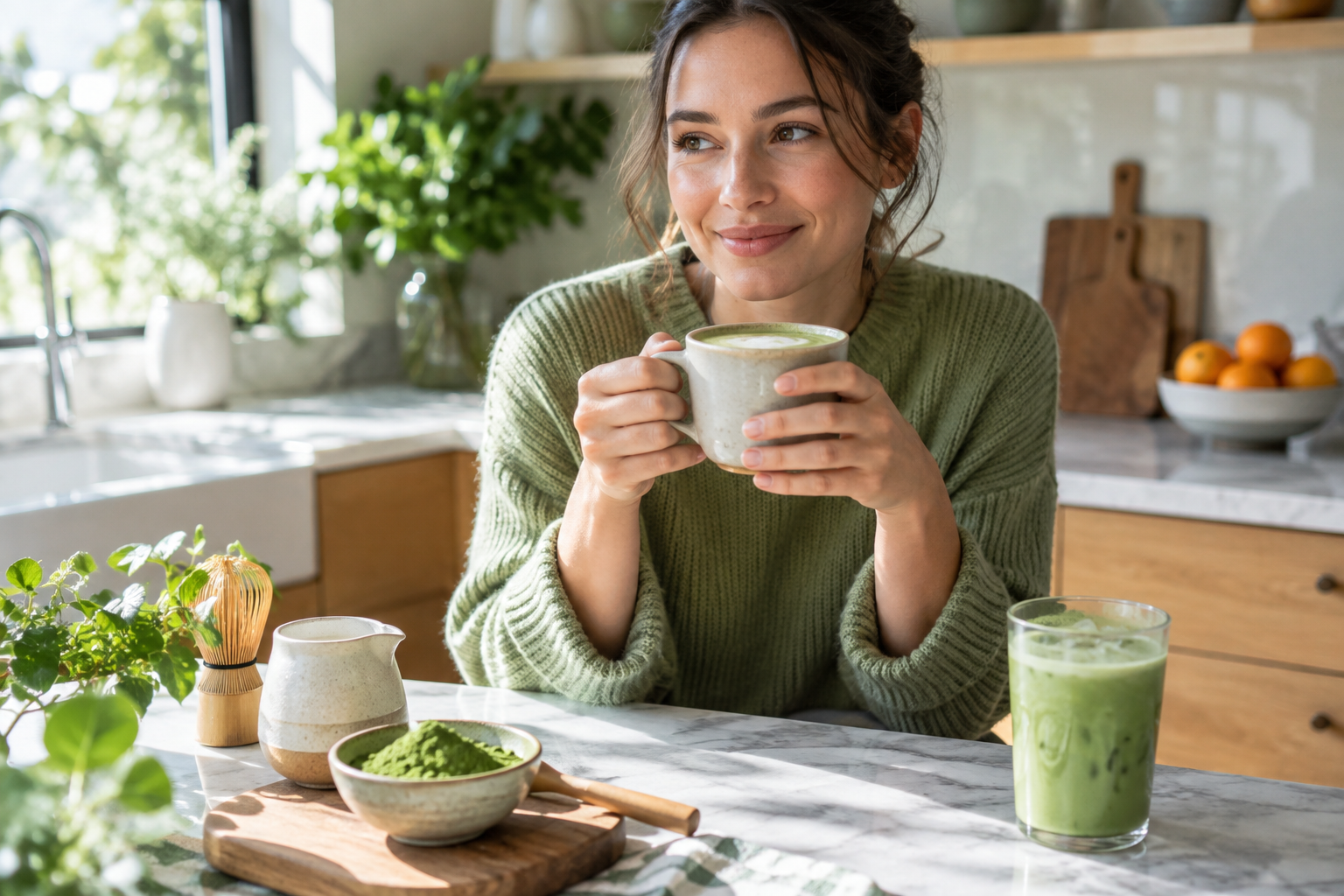
What is matcha green tea?
Matcha is finely ground green tea made from shade-grown leaves. Rather than steeping leaves and removing them, you whisk the powder into liquid and consume it with your drink. Its distinctive grassy, savoury flavour works beautifully in a simple cup, a creamy latte or a breakfast recipe.
Matcha contains caffeine and plant compounds called catechins. A review indexed in PubMed describes its composition, but that doesn’t mean every matcha product delivers the same amounts—or guaranteed wellness results. For shopping, the most useful differences are the ingredients, flavour and preparation each format offers.
Matcha powder: best for versatility and custom drinks
Plain matcha powder gives you the most control: choose your milk, sweetness and strength, or use it in smoothies, overnight oats and baking. For a smoother drink, sift the powder, whisk it with a little warm water until evenly dispersed, then add more water or milk. Matcha forms a suspension rather than dissolving completely, so some settling is normal.
BIOVEA’s MATCHA GREEN TEA POWDER (170g) is an option to explore if you want this flexible format. When comparing powders, look for matcha as the sole ingredient if you prefer an unblended product. A resealable container is handy for keeping your powder tightly closed between uses.
Matcha latte mix vs matcha powder: which is easier?
Matcha latte mixes are designed to simplify a café-style drink. Depending on the formula, they may combine matcha with sweeteners, milk powders or other ingredients. That can mean less measuring and a more repeatable flavour—especially appealing when you want a quick morning mug.
BIOVEA’s ORGANIC MATCHA LATTE MIX (Original, 100g) fits this convenient category. Compare the ingredient list and preparation directions rather than assuming every mix is sweetened or contains milk. Choose plain powder for maximum customisation; choose a latte mix when its ingredients and suggested preparation suit your taste.
Matcha tea bags and ready-to-drink matcha
Matcha tea bags often pair green tea leaves with some matcha powder. They’re an easy, kettle-only option, but the result is usually closer to brewed green tea than a traditional whisked matcha drink. If you prefer a lighter cup without a whisk or frother, this format is worth considering.
Ready-to-drink matcha skips preparation entirely, making it convenient for travel or busy mornings. Bottled and canned versions can range from simple tea drinks to sweet, creamy lattes. Compare serving size, ingredients and any listed caffeine content: sharing the word “matcha” doesn’t make these drinks nutritionally interchangeable.
Ceremonial vs culinary matcha: which should you buy?
You’ll often see “ceremonial” used for powders marketed for drinking with water, while “culinary” generally describes powders intended for lattes, baking and recipes. Treat these terms as shopping cues rather than a guarantee of flavour or nutritional superiority. The product description and intended use are more helpful than the grade name alone.
For a water-based cup, look for descriptions suggesting a smooth, balanced flavour. For milk drinks or baking, a more assertive matcha can help its taste come through. New to matcha? Starting with a smaller pack gives you room to discover the flavour and preparation you enjoy.
Does matcha have caffeine? How to build your routine
Yes—matcha naturally contains caffeine. The amount in your cup varies with the product and how much you use, so powder, latte mix and bottled drinks can’t be ranked reliably by format alone. MedlinePlus explains that caffeine stimulates the central nervous system and can make you feel more awake; a morning or early-afternoon matcha can fit that role better than a bedtime cup.
My pick: plain powder for recipe lovers, latte mix for an easy creamy drink, tea bags for simple steeping and ready-to-drink matcha for convenience. Enjoy it for the taste and ritual rather than detox or weight-loss promises; NCCIH notes that green tea hasn’t been shown to be effective for weight loss. Check the label, and ask a health professional if you have questions about caffeine or supplements.
Frequently asked questions
- Is matcha powder the same as matcha latte mix?
- No. Plain matcha powder is ground green tea, while a latte mix may include sweeteners, milk powders or other ingredients. Powder gives you more control over your recipe; a mix can reduce preparation steps.
- Which matcha is best for iced lattes?
- Plain matcha powder and latte mixes can both work well. For plain powder, first whisk it with a little warm water, then add cold milk and ice. For a mix, follow its preparation directions for the smoothest result.
- Do you need a bamboo whisk for matcha?
- No. A bamboo whisk is useful for traditional preparation, but a handheld milk frother is a practical alternative. Sifting the powder and mixing it with a small amount of water first helps reduce clumps.
- Are matcha capsules the same as drinking matcha?
- No. Capsules may contain powdered tea or an extract, and their composition can differ from a matcha beverage. They also don’t offer matcha’s flavour, drink-making ritual or versatility in food. For lattes and recipes, choose a food or drink format.
Sources
Jack used these official and scientific sources for this article.
This article is educational. Food supplements are not a substitute for a varied diet or medical care. Speak to a healthcare professional about your own situation.
Related reading

Food & Home
Healthy Pantry Staples: How to Choose the Right Format
Stocking your kitchen with nutrient-dense foods makes healthy eating effortless every day of the week. Learn how to choose between powders, whole seeds, and liquid pantry staples to fit your unique lifestyle.
7 min read
Read more
Food & Home
Herbal Tea Guide: How to Choose the Right Herbal Tea Format
Sipping a warm mug of herbal tea is one of the easiest ways to bring relaxation and vibrant natural flavors into your daily routine. Whether you prefer the convenience of traditional tea bags or robust herbal root brews, finding your ideal format can elevate your daily wellness ritual.
7 min read
Read more
Food & Home
Apple Cider Vinegar: How to Choose the Right Format for You
Discovering the daily benefits of apple cider vinegar is easier than ever thanks to a variety of versatile liquid and convenient capsule options. Here is Jack's guide to picking the ideal ACV format to seamlessly match your personal lifestyle and taste.
7 min read
Read moreCountry & language
1 published versions of this article.