
Herbs & Botanicals
Ashwagandha: an ingredient guide
Ashwagandha is the root of Withania somnifera, a shrub used for centuries in Ayurvedic tradition. On a modern label, the words that matter are the plant part, the extract ratio and any standardisation figure.
- Written by
 Jack· BIOVEA Wellness Advisor
- Published
- June 10, 2026
- Last reviewed
- August 25, 2026
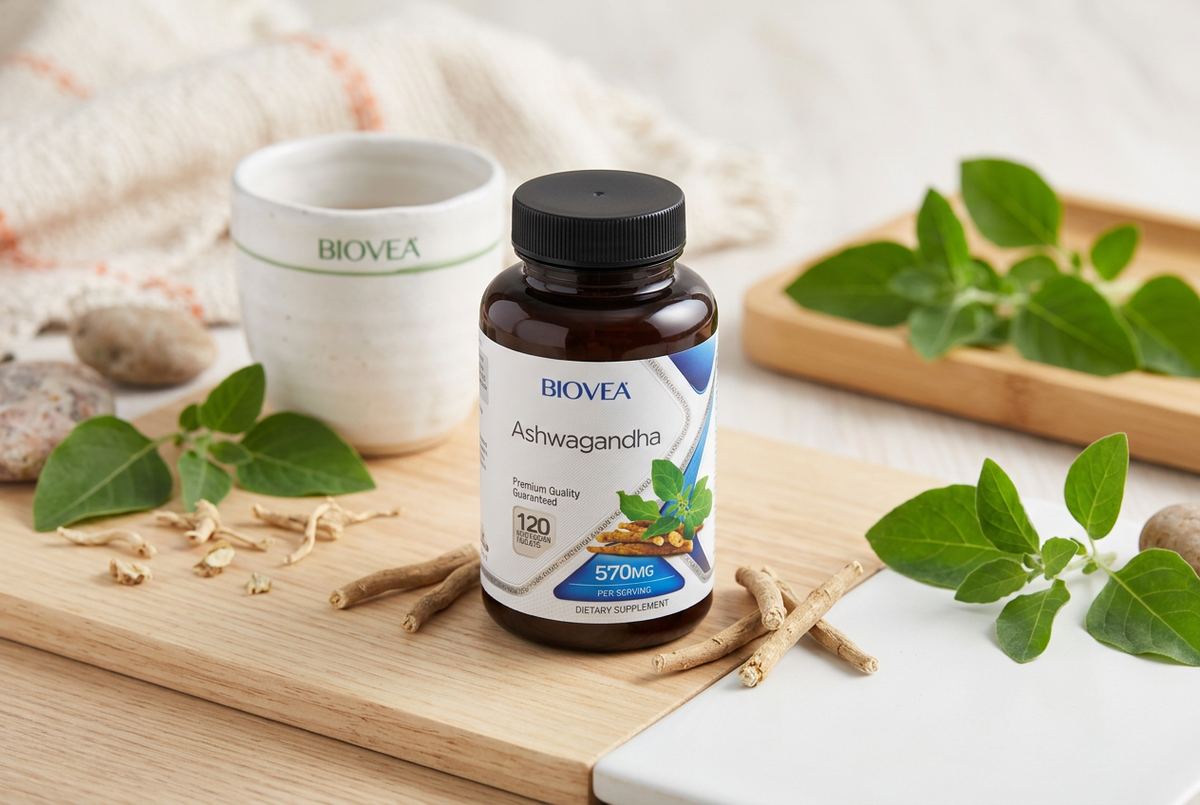
Ashwagandha, Withania somnifera, is a small shrub native to parts of India, the Middle East and Africa. Its root has a long history of traditional use, and it has become one of the most recognisable botanical names on a supplement shelf. This guide covers what the plant is and how to read the label — not what it will do for you.
Which part of the plant
Traditional use centres on the root. Some products use leaf material, or a root-and-leaf combination, and the constituent profile differs between them. A well-written label names the part: 'Withania somnifera root extract' tells you more than 'ashwagandha 500 mg' on its own.
Powder, extract and the ratio
A whole-root powder is dried, milled root. An extract concentrates selected constituents using a solvent, usually water or an ethanol-water mix. The ratio — written as 10:1, for example — indicates how much raw material went into one part of extract, so 500 mg of a 10:1 extract is not comparable with 500 mg of plain powder.
Standardisation goes one step further, stating a defined percentage of a marker group such as withanolides. This makes batches more consistent and makes two standardised products genuinely comparable. Branded extracts are simply standardised extracts produced to a named specification.
- Plant part: root, leaf, or both.
- Powder or extract, and if an extract, the ratio.
- Any standardisation figure, such as a withanolide percentage.
- Serving size and the number of capsules it refers to.
Cautions worth taking seriously
Ashwagandha is not suitable for everyone. It is generally not recommended during pregnancy or breastfeeding, and several national authorities advise caution for people with thyroid or liver conditions, autoimmune conditions, or those taking sedatives, thyroid medication or immunosuppressants. Some markets require specific warnings on the label. Speak to a pharmacist or doctor before starting, particularly if you take prescription medicines.
Regulatory status also differs by country: a botanical sold freely in one market may be restricted or require particular wording in another. That is one reason product availability on BIOVEA varies between regional stores.
The bottom line
Read the botanical name, the plant part, the ratio and the standardisation. Then check the cautions against your own circumstances — with a professional if anything is unclear.
Frequently asked questions
- What does 'standardised to withanolides' mean?
- It means the manufacturer has measured a marker group of constituents and produced the extract to a defined percentage, which makes batches more consistent.
- Is root better than leaf?
- Traditional use focuses on the root, and most research-grade extracts are root-based. Leaf material has a different constituent profile.
- Can I take it during pregnancy?
- It is generally not recommended during pregnancy or breastfeeding. Ask a healthcare professional.
Sources
Jack used these official and scientific sources for this article.
This article is educational. Food supplements are not a substitute for a varied diet or medical care. Speak to a healthcare professional about your own situation.
Related reading
Supplements
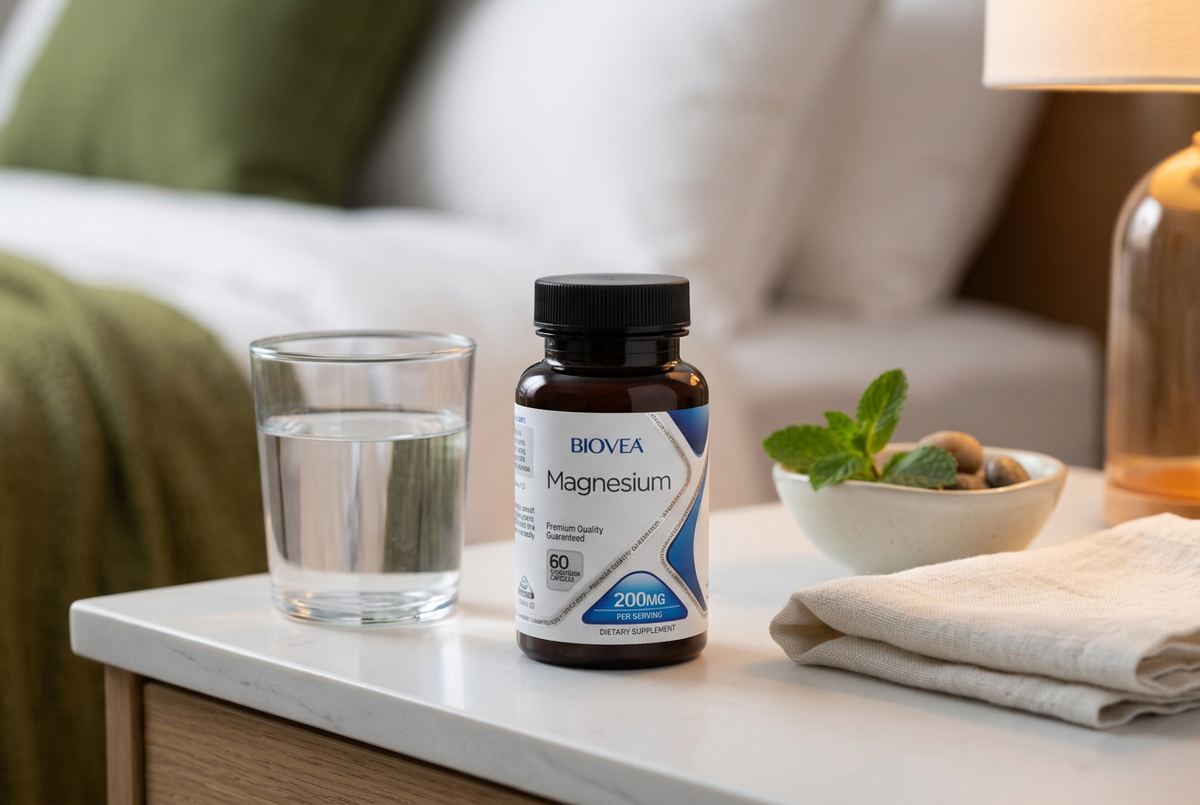
Magnesium: the types on the shelf and how they differ
Magnesium is always paired with something else in a supplement — citrate, glycinate, oxide, malate — and that partner changes the tablet size, how it is tolerated and how much elemental magnesium you actually get per serving.
8 min read
Read more
Ingredient Guides
Understanding supplement labels and serving sizes
Almost every confusing supplement comparison comes down to three lines on the pack: the serving size, the amount per serving, and the reference percentage next to it. Learn those and the shelf gets much quieter.
6 min read
Read moreCountry & language
1 published versions of this article.