
Beauty & Skin
Collagen: what it is and how supplements differ
Collagen is the structural protein in skin, bone and connective tissue. Supplements are mostly hydrolysed collagen — collagen broken into shorter peptides — and the meaningful differences between products are source, type and dose per serving.
- Written by
 Jack· BIOVEA Wellness Advisor
- Published
- June 28, 2026
- Last reviewed
- August 30, 2026
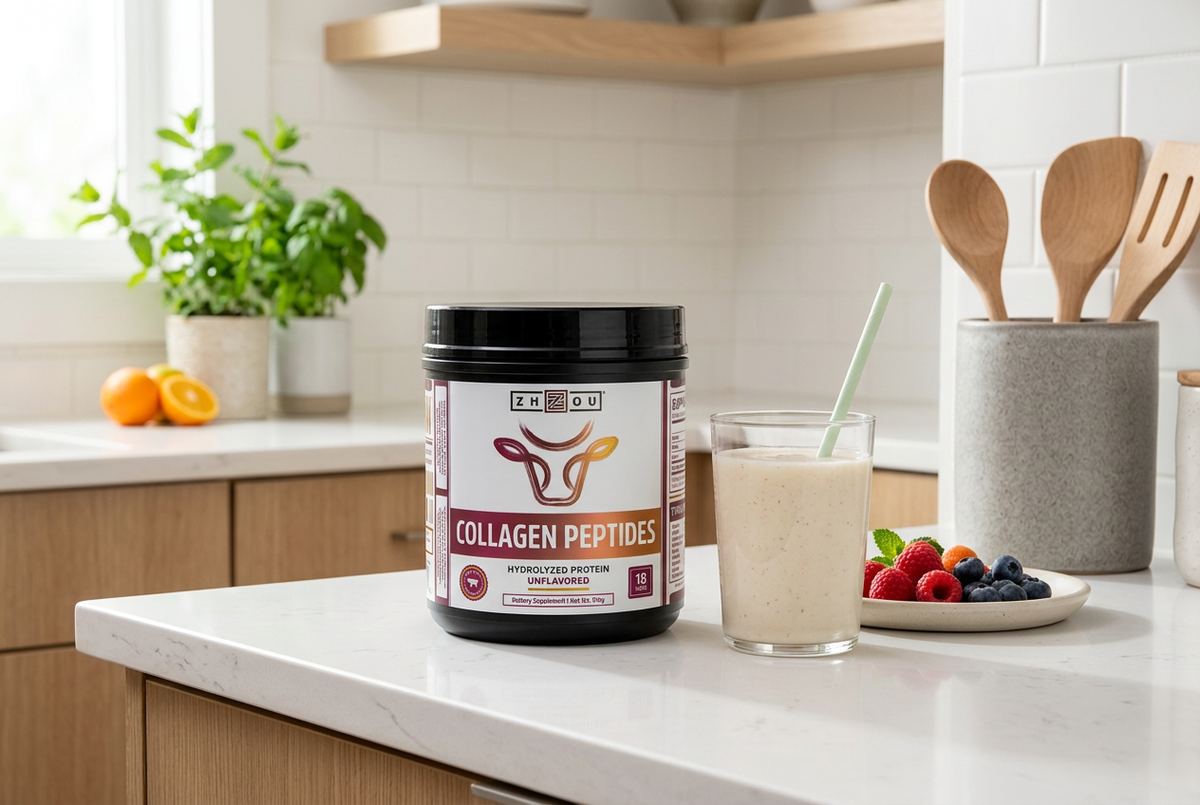
Collagen is the most abundant protein in the human body and the main structural component of skin, tendons, ligaments and bone. It is also one of the most heavily marketed ingredients in beauty, which makes a plain description of what is in the tub genuinely useful.
Hydrolysed collagen and peptides
Intact collagen is a large, tough molecule. Most supplements therefore use hydrolysed collagen, where the protein has been broken into shorter fragments called peptides so it dissolves in liquid and is easier to consume. 'Collagen peptides' and 'hydrolysed collagen' usually describe the same thing; 'collagen protein' on a sports label may mean the same material sold for a different audience.
Types I, II and III
Labels often name a collagen type. Types I and III are associated with skin, bone and connective tissue and are what most beauty-oriented products supply. Type II is found in cartilage and appears in joint-focused formulas, frequently from chicken sources. A product listing 'types I & III' is describing its raw material, not making a promise about results.
| Source | Typical types | Notes |
|---|---|---|
| Bovine | I and III | Widely used; the most common in powders |
| Marine (fish) | Mostly I | Suits people avoiding bovine ingredients; often finer powder |
| Porcine | I and III | Less common in retail products |
| Chicken | II | Used in joint-oriented formulas |
No collagen supplement is vegan, because collagen is an animal protein. Products described as 'vegan collagen' are usually collagen-builder formulas supplying nutrients such as vitamin C rather than collagen itself — a legitimate product category, but a different one, and the label should say so clearly.
Comparing servings honestly
Powders are typically sold in servings of several grams, capsules in far smaller amounts, which is why the two formats are hard to compare at a glance. Work out grams of collagen per serving and the number of servings in the pack; that single calculation explains most price differences on a shelf.
- Grams of collagen per serving, and how many scoops or capsules that is.
- Source and type, if either matters to you.
- Added ingredients: vitamin C, flavourings, sweeteners, hyaluronic acid.
- Whether the flavour and texture suit how you will actually drink it.
Realistic expectations
Research on collagen peptides and skin is ongoing and results vary between studies, so an honest article does not promise a visible change on a timetable. What is reasonable to say: collagen powder is a protein supplement, it is not a medicine, and it sits alongside sun protection, sleep and a varied diet rather than replacing them.
The bottom line
Read the tub as you would a protein powder: grams per serving, source, type, extras, servings per pack. That is the comparison that tells you what you are buying.
Frequently asked questions
- Is there a vegan collagen?
- Collagen itself is an animal protein, so no. Products labelled vegan collagen typically supply nutrients intended to support the body's own collagen production instead.
- Powder or capsules?
- Powders deliver several grams per serving; capsules deliver much less per unit. Compare grams of collagen per serving rather than the number of pieces.
- Does it need vitamin C?
- Vitamin C has an established role in normal collagen formation, which is why it is often included. A varied diet may already provide it.
Sources
Jack used these official and scientific sources for this article.
This article is educational. Food supplements are not a substitute for a varied diet or medical care. Speak to a healthcare professional about your own situation.
Related reading
Vitamins
Vitamin D: forms, intake and the questions people actually ask
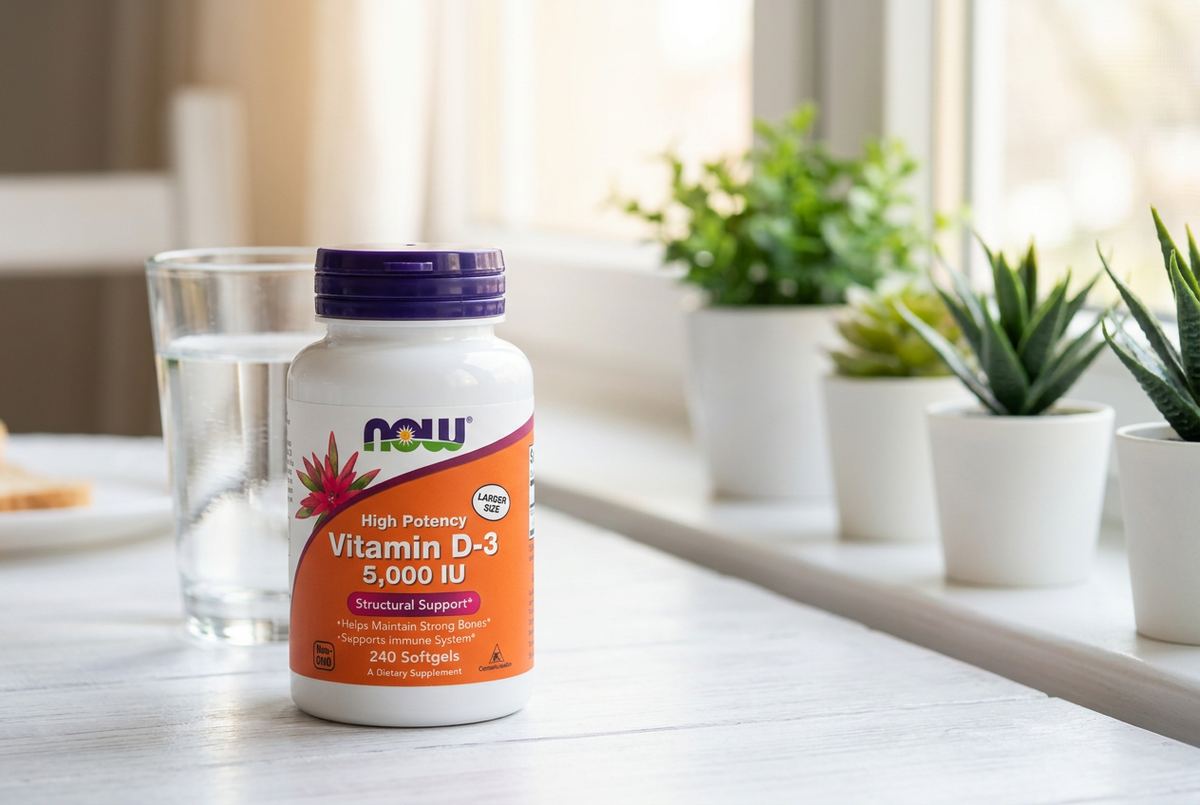
Vitamin D is made in the skin from sunlight and also comes from a short list of foods and supplements. Most labels offer either D2 or D3, measured in micrograms (mcg) or International Units (IU) — and for many people the real question is not which brand, but how much they already get.
9 min read
Read more
Ingredient Guides
Understanding supplement labels and serving sizes
Almost every confusing supplement comparison comes down to three lines on the pack: the serving size, the amount per serving, and the reference percentage next to it. Learn those and the shelf gets much quieter.
6 min read
Read moreCountry & language
1 published versions of this article.