
Beauty & Skin
Daily Skin Hydration: Serum vs Lotion vs Cream
Looking for the best moisturizer for dry skin—or something lighter for everyday use? I’m Jack, BIOVEA Wellness Advisor. Here’s how to choose a hydrating format that feels good on your skin and fits your routine.
- Written by
 Jack· BIOVEA Wellness Advisor
- Published
- September 25, 2026
- Last reviewed
- September 27, 2026
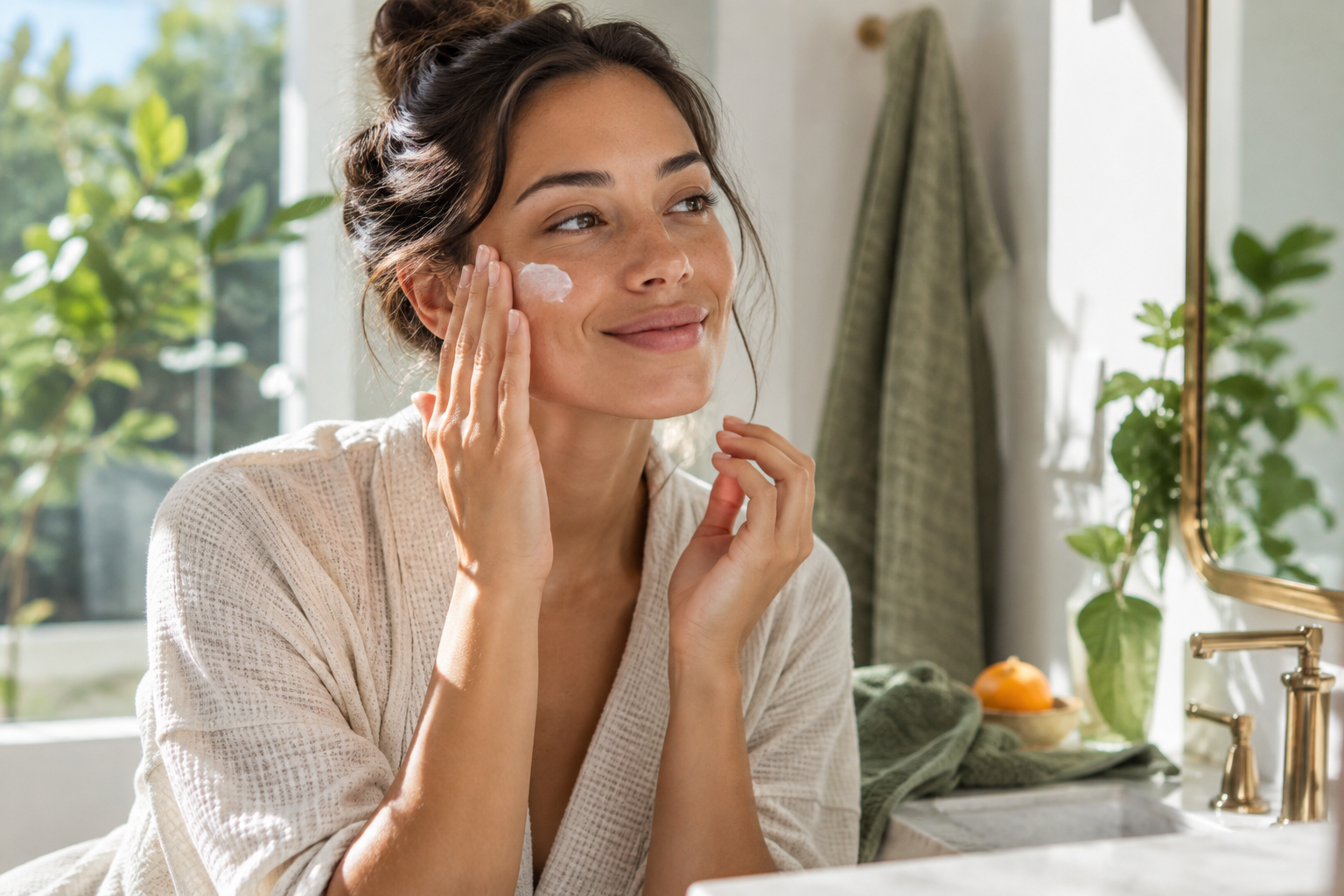
How to Hydrate Skin: Hydration vs Moisturizing
Comfortable, soft-feeling skin starts with two complementary jobs: attracting water and helping keep it there. Humectants, such as glycerin and hyaluronic acid, attract water, while richer moisturizing ingredients help reduce moisture loss. Many products combine both approaches.
According to MedlinePlus, dry skin occurs when skin loses too much water and oil. Applying moisturizer while skin is still damp is a practical starting point. The best format depends on where you’re applying it, how dry your skin feels and the texture you enjoy using.
Hyaluronic Acid Serum: Lightweight Hydration
A hydrating serum is appealing when you want a light layer without a rich finish. Hyaluronic acid is a humectant, making it a useful ingredient to look for when comparing products for skin that feels tight or dehydrated. Not every serum is hydrating, so shop by ingredients as well as format.
For a simple routine, apply your hydrating serum after cleansing, then follow with moisturizer. BIOVEA’s ADVANCED HYALURONIC ACID SERUM is one option to explore. Think of serum as an optional hydration layer rather than an automatic replacement for lotion or cream.
Body Lotion vs Cream: Which Is Better for Daily Use?
Lotions generally have a lighter, more fluid texture than creams, making them convenient for spreading over arms, legs and larger areas. They’re a practical choice when you want everyday moisture with less of a rich, coated feeling.
For an easy post-shower habit, keep a body lotion within reach of your towel and apply while your skin is still slightly damp. BIOVEA’s DAILY MOISTURISING LOTION in the 709ml format is worth comparing if you prefer a larger bottle for regular body care.
Cream vs Face Oil: Best Options for Dry Skin
Creams usually offer a richer texture than lotions and can be especially appealing for dry hands, elbows and other areas that need extra comfort. MedlinePlus notes that skin becomes drier with age, so a texture you once found too rich may eventually become your everyday favorite. EGYPTIAN MAGIC SKIN CREAM is another format to explore when comparing richer products.
Face oils offer slip and help soften the feel of skin, but oil alone does not add water. If you enjoy an oil, use it as an optional finishing layer over moisturizer rather than treating it as a hydrating serum. The full formula matters more than whether the jar says “cream,” “balm” or “oil.”
Skin Hydration Supplements vs Topical Moisturizers
Capsules, powders and beauty supplements fit into a different category from products applied directly to skin. A supplement’s format alone does not establish whether it improves hydration; the ingredient, amount and evidence behind the finished formula matter.
Nutrition still plays a role in normal skin function. For example, the NIH Office of Dietary Supplements explains that vitamin C is needed to make collagen. That doesn’t mean a vitamin C supplement replaces moisturizer or automatically improves skin hydration. Start with consistent topical care rather than expecting a beauty supplement to do the same job.
A Simple Daily Skin Hydration Routine
Keep the basics easy: cleanse gently, add a hydrating serum if you enjoy one, and apply lotion or cream while skin is slightly damp. For your body, moisturize after bathing and reapply to dry areas as needed. MedlinePlus recommends warm rather than hot water and keeping baths or showers short.
Choose lighter textures where you prefer less richness and creamier ones where skin feels dry—you don’t need every format in one routine. Check the label for product-specific directions, or ask a professional if you have questions.
Frequently asked questions
- Is lotion or cream better for dry skin?
- Cream is generally richer and often suits drier areas, while lotion spreads easily and works well for everyday body care. Choose based on your skin’s comfort and the complete formula, not texture alone.
- Do I need moisturizer after hyaluronic acid serum?
- Usually, yes. Hyaluronic acid attracts water, while a moisturizer can help reduce moisture loss. A serum is an optional extra layer, not necessarily a complete moisturizer.
- Can face oil replace moisturizer?
- Face oil can soften skin and help retain moisture, but it does not supply water. For dry-feeling skin, an oil is often more useful as an optional layer over moisturizer.
- When is the best time to apply body lotion?
- Apply it just after bathing, while your skin is still slightly damp. Reapply whenever dry areas need more comfort.
Sources
Jack used these official and scientific sources for this article.
This article is educational. Food supplements are not a substitute for a varied diet or medical care. Speak to a healthcare professional about your own situation.
Related reading

Beauty & Skin
Ceramides for Skin: Creams, Serums and Supplements Compared
Cream, lotion, serum or capsule? Find your everyday fit with Jack, BIOVEA Wellness Advisor, as he compares ceramide formats for softer-feeling, well-moisturised skin.
7 min read
Read more
Beauty & Skin
Vitamin C Skincare: Serum vs Cream vs Powder
Looking for brighter-looking skin and a more even-looking tone? Compare vitamin C serums, creams, powders and ingredient forms to find a formula that fits your routine. By Jack, BIOVEA Wellness Advisor.
7 min read
Read more
Beauty & Skin
Antioxidant Skincare: Serums, Creams and Oils Compared
Lightweight serum, comforting cream or nourishing facial oil? Find the antioxidant skincare format that fits your skin and your routine—with practical shopping tips from Jack, BIOVEA Wellness Advisor.
7 min read
Read moreCountry & language
1 published versions of this article.
- Canada — EN
- USA — EN
- Cyprus — EN
- Czech Republic — EN
- Finland — EN
- Hungary — EN
- Ireland — EN
- Rest of Europe — EN
- Romania — EN
- Slovenia — EN
- Sweden — EN
- UK — EN
- Australia — EN
- Hong Kong — EN
- India — EN
- Israel — EN
- Malaysia — EN
- New Zealand — EN
- Qatar — EN
- Republic of Korea — EN
- Singapore — EN
- South Africa — EN
- Thailand — EN