
Beauty & Skin
Daily Skin Hydration: Benefits and Everyday Uses
Softer skin, a smoother feel and a comfortable everyday glow start with a simple hydration routine. Discover the ingredients, textures and easy habits that make moisturising feel effortless.
- Written by
 Jack· BIOVEA Wellness Advisor
- Published
- June 28, 2024
- Last reviewed
- October 8, 2026

1. Why Daily Hydration Makes a Difference
Well-hydrated skin feels softer, looks smoother and is less likely to have that tight feeling after cleansing. Moisturising can also temporarily soften the appearance of fine lines caused by dryness, giving skin a fresher, more supple look.
A daily moisturiser helps support the skin’s moisture barrier, which keeps water from escaping too quickly. Think of it as an everyday comfort step for your face and body, especially when cold weather, indoor heating or frequent washing leave skin feeling dry.
2. Hydrate and Help Hold Moisture In
Hydration and moisturising work together. Humectants, such as hyaluronic acid and glycerin, attract and hold water in the skin’s outer layers. Emollients help smooth rough areas, while occlusive ingredients help reduce moisture loss.
For a simple layering routine, use a hydrating serum before moisturiser. BIOVEA’s ADVANCED HYALURONIC ACID SERUM, 30ml, is an option to explore if you enjoy a separate hydration step. Follow with a cream or lotion to help retain that moisture.
3. Choose a Texture You Enjoy Using
The best everyday texture is one you will happily reach for. Lightweight lotions and gels often appeal to people with oily or combination skin, while richer creams suit dry-feeling areas or evenings when you want a more cushioned finish. Oily skin can still benefit from moisturising.
For body care, a generously sized lotion makes regular application convenient. DAILY MOISTURISING LOTION, 709ml, is a BIOVEA option to consider for your bathroom shelf. Choose products intended for the area you want to moisturise, rather than assuming every body formula will suit your face.
4. Make the Most of Your Morning and Evening Routine
In the morning, gently cleanse or rinse as suits your skin, then apply moisturiser while skin is still slightly damp. If you use a hydrating serum, apply it first. Finish your daytime routine with broad-spectrum SPF 30 or higher; an ordinary moisturiser does not replace sunscreen.
At night, cleanse away makeup and the day’s buildup, then moisturise again. After a shower, gently pat your body dry and apply lotion while a little moisture remains. These small, repeatable steps are more useful than an elaborate routine you rarely follow.
5. Give Hands and Dry Patches Extra Attention
Daily hydration is useful beyond your face. Keep moisturiser near the sink to use after handwashing, and give elbows, knees and shins an extra moment after bathing. Reapply when skin starts to feel dry rather than waiting until your next full routine.
A dedicated hand cream is a convenient addition to a desk drawer or bedside table. ALMOND MILK BEESWAX HAND CREAM, 57g, is one BIOVEA option for this step. Massage a small amount over hands and around the cuticles as a quick, relaxing pause.
6. Build a Habit That Fits Your Skin
Start with the essentials: a gentle cleanser, a moisturiser you enjoy and daytime sunscreen. Add a hydrating serum only if you want that extra step. You can adjust the amount or texture of moisturiser as the seasons change, using a lighter feel in humid weather and a richer option when the air is dry.
Drinking enough water supports normal hydration, but extra water alone is not a substitute for moisturising dry skin. Pair your skincare with comfortable, lukewarm showers and a consistent routine. Check product labels or ask a skincare professional if you have questions about what suits your skin.
Frequently asked questions
- How often should I moisturise my skin?
- Once or twice daily is a practical starting point for the face, depending on how your skin feels. Apply body moisturiser after bathing and reapply to hands or dry areas as needed.
- Do I need both a hydrating serum and a moisturiser?
- Not necessarily. Many moisturisers combine water-attracting ingredients with ingredients that help retain moisture. A serum is an optional extra if you enjoy layering or want additional hydration.
- Can oily skin need hydration?
- Yes. Oiliness and hydration are different, so oily skin can still feel dehydrated or tight. A lightweight moisturiser can add comfort without the rich feel of a heavier cream.
- Should I apply moisturiser to damp or dry skin?
- Slightly damp skin is a good choice, especially after washing or showering. Gently pat away excess water, then apply moisturiser to help hold onto the remaining moisture.
- How quickly will my skin feel more hydrated?
- A moisturiser can leave skin feeling softer and more comfortable soon after application. Consistent use helps maintain those benefits, though results vary with your skin and the formula.
Sources
Jack used these official and scientific sources for this article.
This article is educational. Food supplements are not a substitute for a varied diet or medical care. Speak to a healthcare professional about your own situation.
Related reading
Beauty & Skin
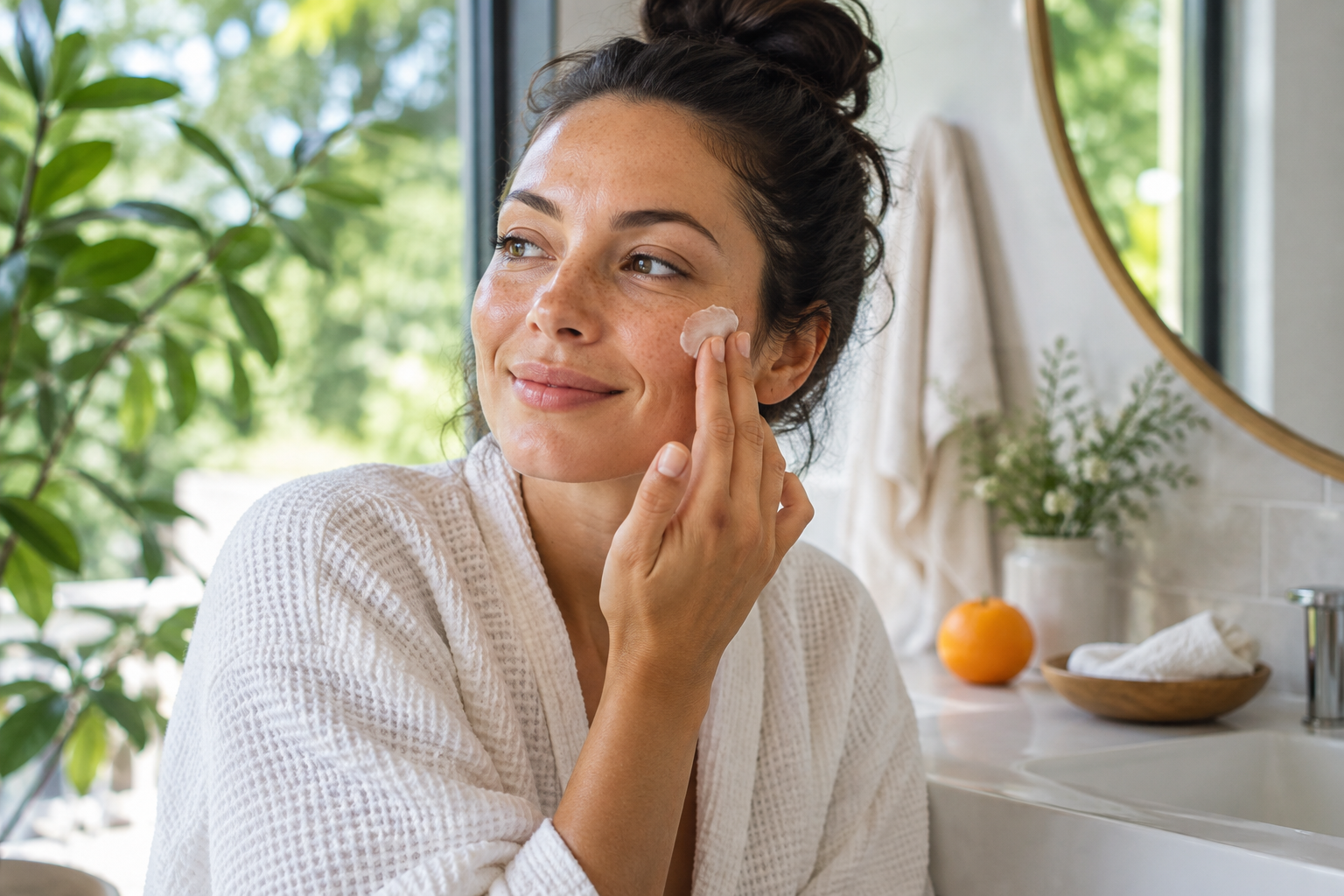
Daily Skin Hydration: How to Choose the Right Moisturizer Format
Achieving smooth, radiant skin starts with finding the daily skin hydration routine that fits your lifestyle. Explore lotions, rich creams, and beauty supplements to keep your skin glowing every day.
7 min read
Read more
Beauty & Skin
Ceramides Skincare: How to Choose the Right Format for Your Routine
Ceramides play a vital role in keeping your skin barrier strong, hydrated, and noticeably radiant every day. Discover how creams, serums, and lotions compare so you can easily pick the perfect ceramide product for your skin goals.
7 min read
Read more
Beauty & Skin
Vitamin C Skincare: How to Choose the Right Format for Your Skin
Discover the incredible glow-boosting benefits of Vitamin C for your daily beauty routine. Learn how to choose between serums, topical creams, and inner wellness supplements to brighten your complexion effortlessly.
7 min read
Read moreCountry & language
1 published versions of this article.