
Ingredient Guides
Spirulina Ingredient Guide: Benefits and Everyday Uses
Curious about this vibrant blue-green ingredient? Get to know spirulina, discover easy ways to use it and find a format that fits your everyday routine.
- Written by
 Jack· BIOVEA Wellness Advisor
- Published
- May 26, 2025
- Last reviewed
- October 8, 2026

What Is Spirulina?
Spirulina is a blue-green microorganism commonly called algae. Grown in water and dried for use in foods and supplements, it is known for its deep colour and concentrated mix of nutrients.
You will usually find spirulina as a powder, tablet or capsule. Powder brings colour and an earthy flavour to recipes, while capsules and tablets offer a convenient option for anyone who would rather skip the taste.
Spirulina’s Nutritional Appeal
Spirulina contains protein, iron and naturally occurring pigments, including phycocyanin, which contributes to its distinctive blue-green colour. Its composition varies by product, so the label is the best place to check what a serving provides.
Although dried spirulina is rich in protein by weight, typical servings are small. Think of it as a modest addition to a varied diet—not a replacement for protein-rich meals or a reliable source of vitamin B12.
What Benefits Can You Expect?
Spirulina’s most straightforward appeal is as a nutrient-containing ingredient that can add variety to your routine. Powder is especially useful if you enjoy experimenting with plant-based recipes, while capsules make a consistent serving easy to take.
Researchers have explored spirulina and its pigments for antioxidant activity and other potential health effects. Findings do not establish guaranteed benefits from everyday use, so approach it as an optional dietary addition rather than a shortcut to more energy, weight loss or a “detox.”
Easy Ways to Use Spirulina Powder
For a simple starting point, blend a small amount into a smoothie with banana, mango or pineapple, keeping within the product’s suggested serving. Fruit helps balance spirulina’s earthy, slightly savoury flavour.
You can also stir it into yoghurt, blend it into a lemony dressing or mix it into no-bake oat bites. Start with a little: both the flavour and colour can be surprisingly bold, and you can adjust future recipes to suit your taste.
How to Choose a Spirulina Product
Choose powder if kitchen versatility is your priority. If you prefer a taste-free option with less preparation, look for capsules or tablets. Compare the amount per serving—not just per capsule—and check how many servings each pack contains.
BIOVEA’s SPIRULINA (Organic) 500mg 60 Vegetarian Capsules is an option for shoppers who prefer an organic product in a vegetarian capsule format. Organic status describes production standards; it does not, on its own, establish nutrient content or contaminant testing.
Look for clearly identified ingredients and a supplier that provides information about quality controls. Spirulina can pick up unwanted substances during cultivation, so testing for contaminants such as heavy metals and microcystins is a useful quality consideration.
Make It Part of an Everyday Routine
There is no established best time of day to take spirulina. Choose a moment that is easy to remember, such as making breakfast or preparing lunch, and use the serving directions for your chosen product.
Keep powder tightly sealed and store it as directed to help preserve freshness. Above all, choose a format you enjoy—your smoothie ritual or a simple capsule routine can work equally well for convenience.
Check the label, and ask a healthcare professional if you have questions about whether spirulina fits your needs.
Frequently asked questions
- Is spirulina powder better than capsules?
- Neither format is automatically better. Powder is versatile in recipes, while capsules avoid the flavour and simplify portioning. Compare the actual amount of spirulina per serving rather than assuming the formats provide equal quantities.
- What does spirulina taste like?
- Spirulina has an earthy, slightly savoury flavour that some people describe as seaweed-like. Banana, pineapple, mango and citrus can help balance it in smoothies and dressings.
- Is spirulina a good replacement for protein powder?
- Not usually. Although spirulina contains a high proportion of protein by dry weight, typical servings contribute much less protein than a serving of protein powder or a protein-rich meal.
- Does spirulina provide vitamin B12?
- Spirulina is not a reliable vitamin B12 source because much of its B12-like content is in forms the body cannot use effectively. People following a vegan diet should rely on suitable fortified foods or a dedicated B12 supplement instead.
Sources
Jack used these official and scientific sources for this article.
This article is educational. Food supplements are not a substitute for a varied diet or medical care. Speak to a healthcare professional about your own situation.
Related reading
Ingredient Guides
CoQ10 Ingredient Guide: How to Choose the Right Supplement Format
Discover how CoQ10 supports cellular energy and daily vitality while finding the ideal supplement format for your lifestyle. From softgels to vegetarian capsules, our guide helps you select the perfect CoQ10 option for your routine.
7 min read
Read more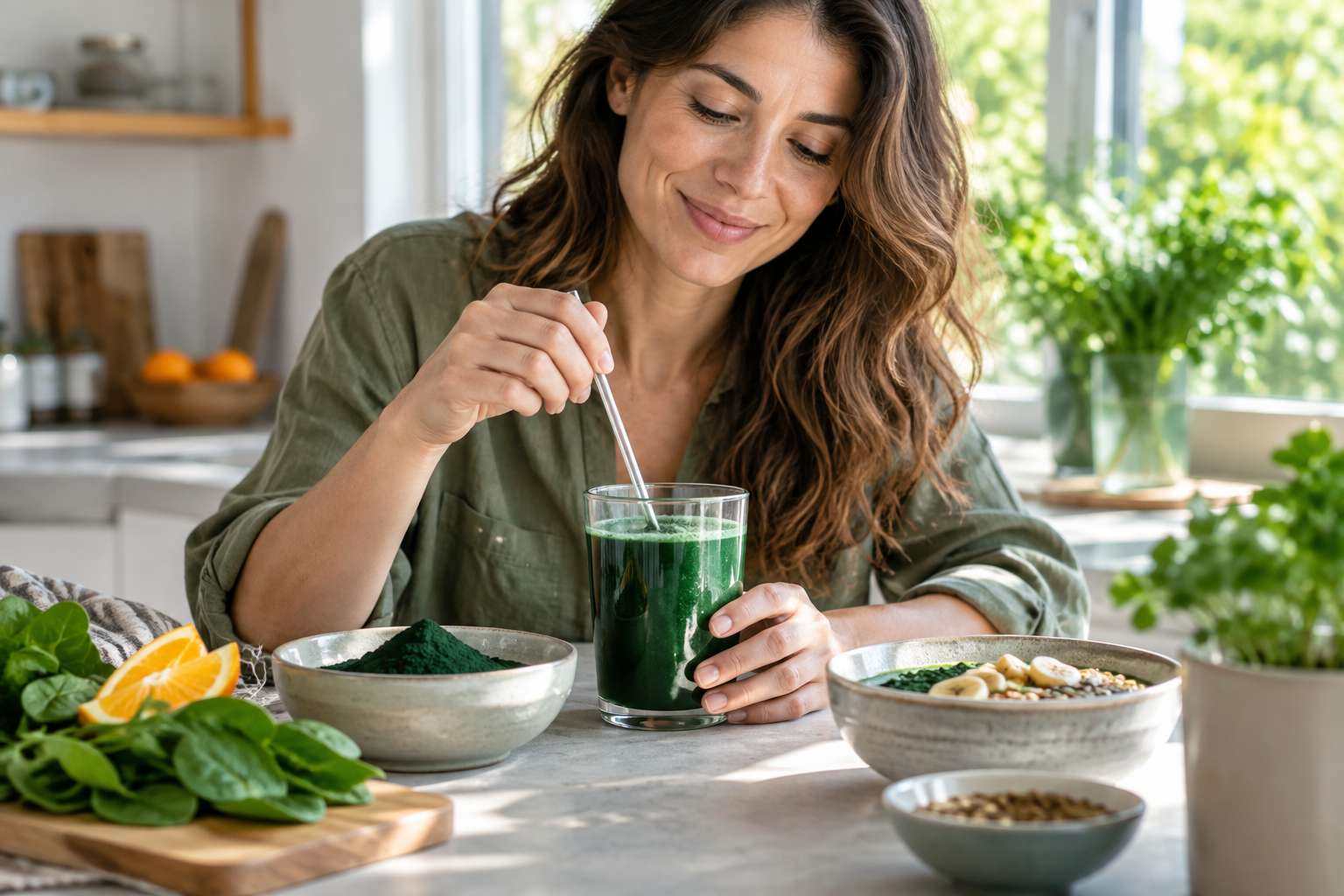
Ingredient Guides
Spirulina Ingredient Guide: How to Choose the Right Format
Discover the amazing benefits of superfood spirulina and how to seamlessly add it to your daily routine. From powder to convenient capsules, learn how to select the best spirulina format for your lifestyle.
7 min read
Read more
Ingredient Guides
Quercetin Ingredient Guide: How to Choose the Right Format
Discover how quercetin can support your daily wellness routine and help you feel your best every season. Learn about capsules, tablets, and synergistic blends so you can easily pick the ideal supplement for your lifestyle.
7 min read
Read moreCountry & language
1 published versions of this article.