
Food & Home
Chia Seeds: Big Possibilities in Every Little Spoonful
From creamy breakfast puddings to easy baking swaps, chia seeds bring fibre, plant-based nutrients and a pleasing texture to everyday meals. Here’s how to make this versatile pantry staple work for you.
- Written by
 Jack· BIOVEA Wellness Advisor
- Published
- March 15, 2026
- Last reviewed
- October 8, 2026

1. Why Chia Seeds Deserve a Pantry Spot
Chia seeds are tiny edible seeds with a mild flavour that fits comfortably into both sweet and savoury dishes. They are particularly handy when you want to add nutrients without changing the taste of a favourite meal.
Their standout kitchen trick is absorbing liquid to form a soft gel. That makes them useful for thickening breakfasts, creating spoonable snacks and helping bind some baked goods—all with very little preparation.
2. Small Seeds with Nutritional Benefits
Chia seeds provide fibre, which supports normal digestion and can help make meals feel more satisfying. They also contribute plant-based protein and minerals, including calcium and magnesium, as part of a varied diet.
Another appealing feature is their alpha-linolenic acid (ALA), a plant-based omega-3 fat. ALA is an essential fatty acid that the body needs from food; it is different from the EPA and DHA found in fish and algae.
Think of chia as a useful addition rather than a complete meal on its own. Pairing it with yoghurt or fortified soya milk, fruit and other nourishing ingredients makes for a more rounded breakfast or snack.
3. Make an Easy, Creamy Chia Pudding
For a simple starting recipe, stir 2 tablespoons of chia seeds into ½ cup of milk or a plant-based alternative. Add vanilla or cinnamon if you like, stir again after 5–10 minutes to break up clumps, then cover and refrigerate for at least 2 hours or overnight.
Once the seeds have hydrated and the mixture is spoonable, adjust the texture with a splash more liquid if needed. Top with berries, sliced banana or a spoonful of peanut butter. Organic cacao nibs add a crunchy, chocolatey finishing touch.
Prefer something smoother? Blend the hydrated pudding until creamy. This is an easy way to enjoy chia if its usual tapioca-like texture is not your favourite.
4. Put Chia to Work Beyond Breakfast
Stir a teaspoon into moist porridge, overnight oats or yoghurt, adding a little extra liquid and allowing time for the seeds to soften. In smoothies, use pre-soaked chia for a thicker texture, then blend with fruit and your preferred milk.
For a quick fruit spread, gently cook a cup of berries until soft, mash them and stir in about a tablespoon of chia seeds. Let the mixture cool and thicken, then refrigerate and use within a few days. It is a fresh fridge spread, not a shelf-stable jam.
Chia can also make a useful baking binder: mix 1 tablespoon of chia seeds with 3 tablespoons of water and leave for about 10–15 minutes to gel. Try it in place of one egg in forgiving recipes such as pancakes or muffins, remembering that it will not provide the same lift or structure as an egg.
5. How to Choose Your Chia Seeds
For everyday versatility, look for plain chia seeds with a simple ingredient list. Black and white chia seeds work similarly in recipes, so choose based on availability and the appearance you prefer rather than expecting a major nutritional difference.
If organic products suit your shopping preferences, BIOVEA’s CHIA SEEDS (Organic, Plant-Based, Superfood), in a 227g pack, are an option for puddings, oats and baking. Choose a pack size you will use regularly, and keep it tightly sealed in a cool, dry place.
You do not need an elaborate collection of extras. Fruit, milk or a plant-based alternative and a little cinnamon are enough to get started; cacao nibs or pumpkin seeds can bring extra crunch when you want variety.
6. Build a Simple Chia Routine
Start with a small amount in one familiar meal, such as a teaspoon stirred into overnight oats, and increase gradually if it suits you. Preparing a pudding the night before makes it especially easy to enjoy chia on busy mornings.
Mix chia into moist foods or soak it in liquid rather than swallowing spoonfuls of dry seeds, since the seeds swell as they absorb moisture. Keep drinking fluids regularly as you add more fibre to your meals.
Check the product label, or ask a qualified professional if you have questions about whether chia fits your needs.
Frequently asked questions
- Do chia seeds need to be ground?
- No. Whole chia seeds work well in puddings, oats and many other recipes. Grinding or blending them is mainly useful when you want a smoother texture.
- How long should I soak chia seeds?
- For a baking gel, allow about 10–15 minutes. For pudding, refrigerate for at least 2 hours or overnight so the seeds soften fully and the mixture thickens evenly.
- Can I use chia seeds every day?
- Chia can be an everyday ingredient in a varied diet. Start with a small amount, mix it into moist foods or soak it, and choose a portion that fits your meals and feels comfortable.
- Are chia seeds suitable for vegan recipes?
- Yes, chia seeds are plant-based. Use them with plant-based milk for pudding or make a chia gel to help bind some egg-free bakes.
- Why is my chia pudding runny?
- It may need more time to hydrate, a better stir or a slightly higher proportion of seeds. Stir thoroughly and chill longer first; if needed, add a small amount of chia, mix again and allow it to fully hydrate.
Sources
Jack used these official and scientific sources for this article.
This article is educational. Food supplements are not a substitute for a varied diet or medical care. Speak to a healthcare professional about your own situation.
Related reading
Food & Home
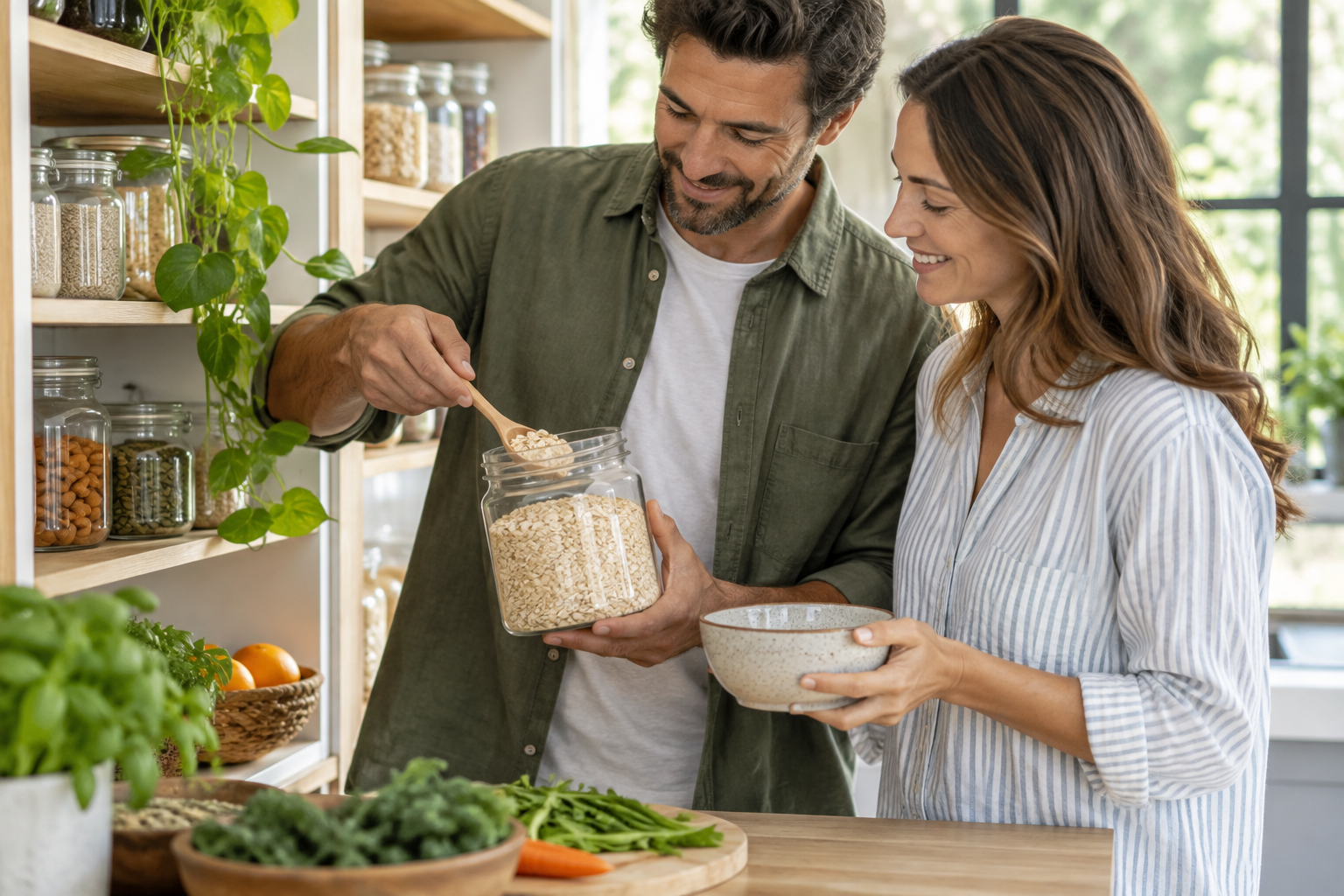
Healthy Pantry Staples: How to Choose the Right Format
Stocking your kitchen with nutrient-dense foods makes healthy eating effortless every day of the week. Learn how to choose between powders, whole seeds, and liquid pantry staples to fit your unique lifestyle.
7 min read
Read more
Food & Home
Herbal Tea Guide: How to Choose the Right Herbal Tea Format
Sipping a warm mug of herbal tea is one of the easiest ways to bring relaxation and vibrant natural flavors into your daily routine. Whether you prefer the convenience of traditional tea bags or robust herbal root brews, finding your ideal format can elevate your daily wellness ritual.
7 min read
Read more
Food & Home
Apple Cider Vinegar: How to Choose the Right Format for You
Discovering the daily benefits of apple cider vinegar is easier than ever thanks to a variety of versatile liquid and convenient capsule options. Here is Jack's guide to picking the ideal ACV format to seamlessly match your personal lifestyle and taste.
7 min read
Read moreCountry & language
1 published versions of this article.