
Personal Care
Oral Care Compared: Toothpaste, Mouthwash, Floss and More
Paste or gel? String floss or a water flosser? I’m Jack, the BIOVEA Wellness Advisor, and here’s how to choose oral care formats that fit your preferences—and make your daily routine easier to keep.
- Written by
 Jack· BIOVEA Wellness Advisor
- Published
- September 25, 2026
- Last reviewed
- September 27, 2026
Toothpaste vs Gel vs Toothpaste Tablets
The best toothpaste is one you enjoy using consistently, with ingredients that match your needs. Paste offers a familiar creamy texture, while gel feels smoother to some people. For everyday cavity protection, fluoride matters more than whether your toothpaste is striped, clear or creamy: the WHO identifies twice-daily brushing with fluoride toothpaste as a foundation of oral health.
Toothpaste tablets offer a compact alternative to a tube, especially for travel, but not all contain fluoride. Choose by ingredients as well as format. Prefer a conventional tube? COLGATE TOTAL ADVANCED TOOTHPASTE is one option to explore. For children who dislike mint, CHILDREN'S FLUORIDE TOOTHPASTE in Silly Strawberry offers a different flavour; adults should help children use an age-appropriate amount.
Electric vs Manual Toothbrush: Which Should You Choose?
A manual toothbrush is simple, portable and needs no charging. An electric toothbrush does the bristle movement for you, and some models add timers or pressure feedback. Those features can make brushing feel more structured, particularly if you tend to rush.
Both formats can clean teeth effectively with good technique. MedlinePlus recommends a soft-bristled brush and brushing twice daily for two minutes. Choose a comfortable handle and a head that reaches your back teeth easily; for electric models, factor in replacement brush heads and charging convenience.
Dental Floss vs Floss Picks vs Water Flosser
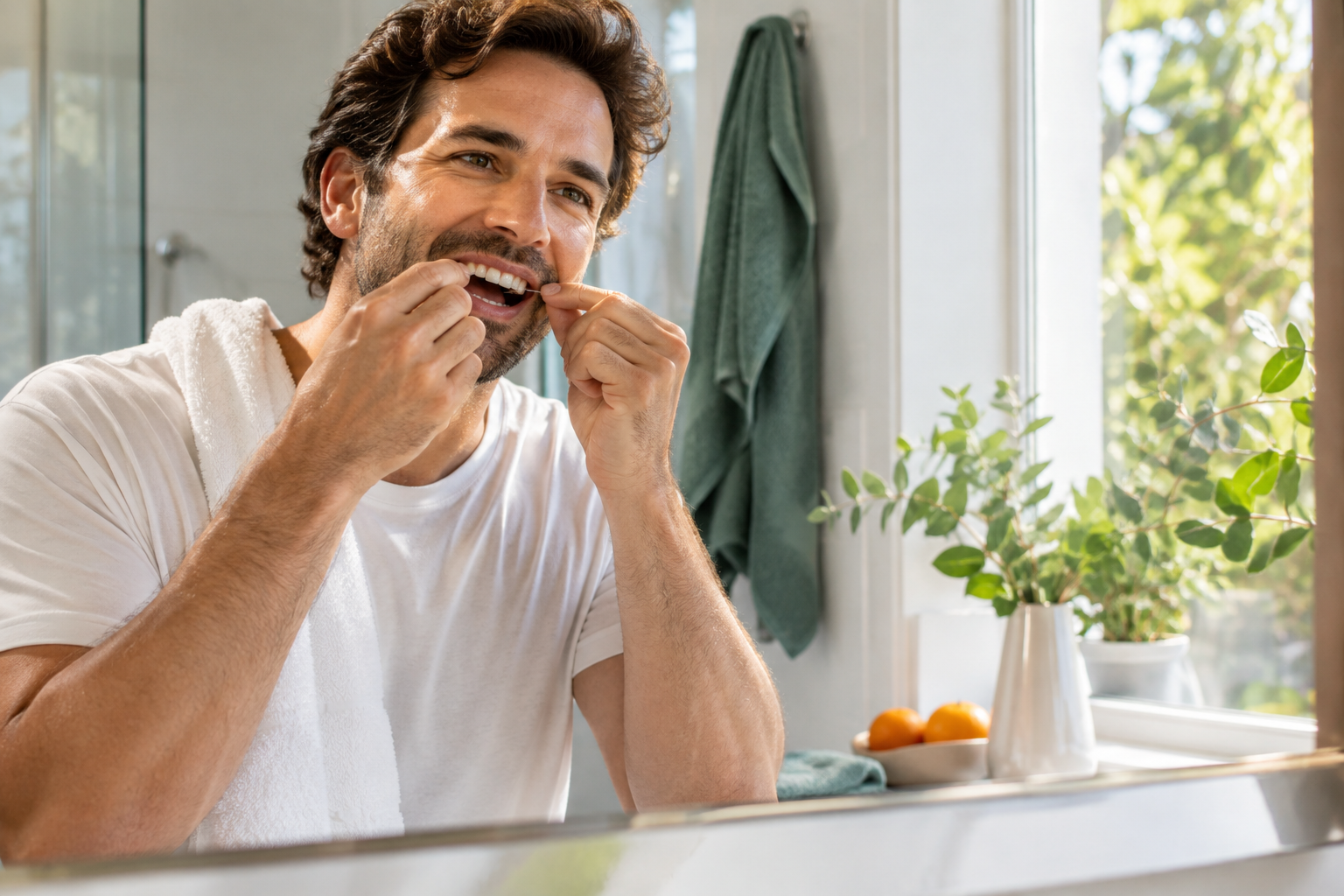
Cleaning between teeth reaches areas your toothbrush misses. String floss gives you control to curve the floss around each tooth, while waxed versions may slide more easily through tight spaces. Floss picks add a handle, which some people find easier to manoeuvre, though it still takes care to clean along both neighbouring tooth surfaces.
A water flosser uses a directed stream of water rather than a strand. It may be useful when braces, bridgework or limited hand movement make string floss awkward. Compare countertop space, reservoir size and portability—not just the number of settings. The practical aim is to find an interdental tool you can use thoroughly every day.
Mouthwash vs Brushing: What Does a Rinse Add?
Mouthwash is an extra step, not a replacement for brushing and cleaning between teeth. A breath-freshening rinse mainly changes how your mouth feels and smells, while fluoride rinses have a different purpose: additional cavity protection. Choose by what the rinse is intended to do rather than its colour or how strongly it tingles.
Alcohol-free mouthwash can appeal if you dislike the strong sensation of some rinses. Timing matters, too: MedlinePlus advises against using mouthwash immediately after brushing, because it washes away the concentrated fluoride left by toothpaste. A separate time, such as after lunch, can make the rinse an easy addition without crowding your bedtime routine.
Whitening Toothpaste vs Whitening Strips
Whitening toothpaste generally focuses on removing surface stains during ordinary brushing. Whitening strips are a separate, timed cosmetic step that holds a whitening formula against the teeth. Toothpaste suits someone who wants minimal extra effort; strips suit someone willing to follow a dedicated course.
BIOVEA options include CREST 3D WHITE - WHITESTRIPS GLAMOROUS WHITE. Compare the application schedule and time commitment rather than assuming every whitening format works the same way. Keep whitening separate from your core cleaning goals: a brighter-looking smile is not a substitute for plaque removal or fluoride toothpaste.
Best Daily Oral Care Routine: Keep It Simple
Start with three essentials: a comfortable toothbrush, fluoride toothpaste and a tool for cleaning between teeth. Brush for two minutes morning and night, and clean between teeth daily. Add mouthwash or whitening products only if they serve a goal you care about—more products do not automatically make a better routine.
My shopping tip: prioritise a texture, flavour and handle style you genuinely like, then consider extras such as travel-friendly packaging or built-in timers. Check product directions, or ask a dental professional if you have questions about the best fit for you.
Frequently asked questions
- Is gel toothpaste as good as regular toothpaste?
- Gel and paste can both be good everyday options. Fluoride content, intended use and consistent brushing matter more than texture alone.
- Can mouthwash replace brushing or flossing?
- No. Mouthwash is an optional addition; it does not replace the physical cleaning provided by brushing and cleaning between teeth.
- Are toothpaste tablets good for travel?
- Their compact, portioned format can be convenient for packing. Formulas vary, so a tablet is not automatically equivalent to fluoride toothpaste.
- Is a water flosser better than string floss?
- There is no single best choice for everyone. String floss offers close control around each tooth, while a water flosser may be easier to use around dental work or when handling floss is difficult.
- Should I use mouthwash before or after brushing?
- Consider using it at a separate time, such as after lunch. Using mouthwash immediately after brushing can wash away the concentrated fluoride that toothpaste leaves on your teeth.
Sources
Jack used these official and scientific sources for this article.
This article is educational. Food supplements are not a substitute for a varied diet or medical care. Speak to a healthcare professional about your own situation.
Related reading

Personal Care
Everyday First Aid Kit Essentials: How to Choose the Right Format
Building a versatile first aid kit means selecting the ideal format for every minor bump, soreness, or skin discomfort. From soothing topical gels to convenient quick-dissolving pellets, here is how to pick the right format to keep your family feeling great.
7 min read
Read more
Personal Care
Foot Care: How to Choose the Right Foot Care Products & Formats
Taking care of your feet is essential for daily comfort, mobility, and overall wellness. Discover how to choose the best foot care formats to pamper your feet and keep them feeling refreshed.
7 min read
Read more
Personal Care
Hand Care Guide: How to Choose the Best Hand Cream, Lotion, or Balm
Keeping your hands soft, hydrated, and smooth is easier than ever when you know which formula fits your lifestyle best. Join Jack as he breaks down daily hand lotions, rich creams, and intense balms so you can pick your perfect pair.
7 min read
Read moreCountry & language
1 published versions of this article.