
Ingredient Guides
Quercetin Ingredient Guide: Benefits and Everyday Uses
Found in apples, onions and berries, quercetin is a plant compound with antioxidant properties. Explore what it offers, how supplements differ and where it can fit into an everyday wellness routine.
- Written by
 Jack· BIOVEA Wellness Advisor
- Published
- May 6, 2025
- Last reviewed
- October 8, 2026
1. What Is Quercetin?
Quercetin is a flavonoid, a naturally occurring compound found in many plant foods. Flavonoids contribute to plants’ colours and help them respond to environmental stresses. In your diet, quercetin is one of the many reasons to enjoy a varied selection of fruit and vegetables.
You will also find quercetin in supplements, either on its own or paired with ingredients such as bromelain. These products offer a measured amount for people who want to include quercetin deliberately in their wellness routine.
2. Understanding Quercetin’s Potential Benefits
Quercetin is best known for its antioxidant properties. In laboratory research, it can help neutralise free radicals—reactive molecules that can damage cells when they build up. That makes it an interesting ingredient for research into cellular health, although laboratory findings do not automatically translate into noticeable benefits from a supplement.
Researchers also study quercetin’s effects on inflammatory signalling, immune responses and cardiovascular health. Human findings are mixed and depend on the outcome being measured, so it is better viewed as an optional addition to healthy habits than a proven way to improve any one aspect of health.
3. Bring Quercetin to Your Plate
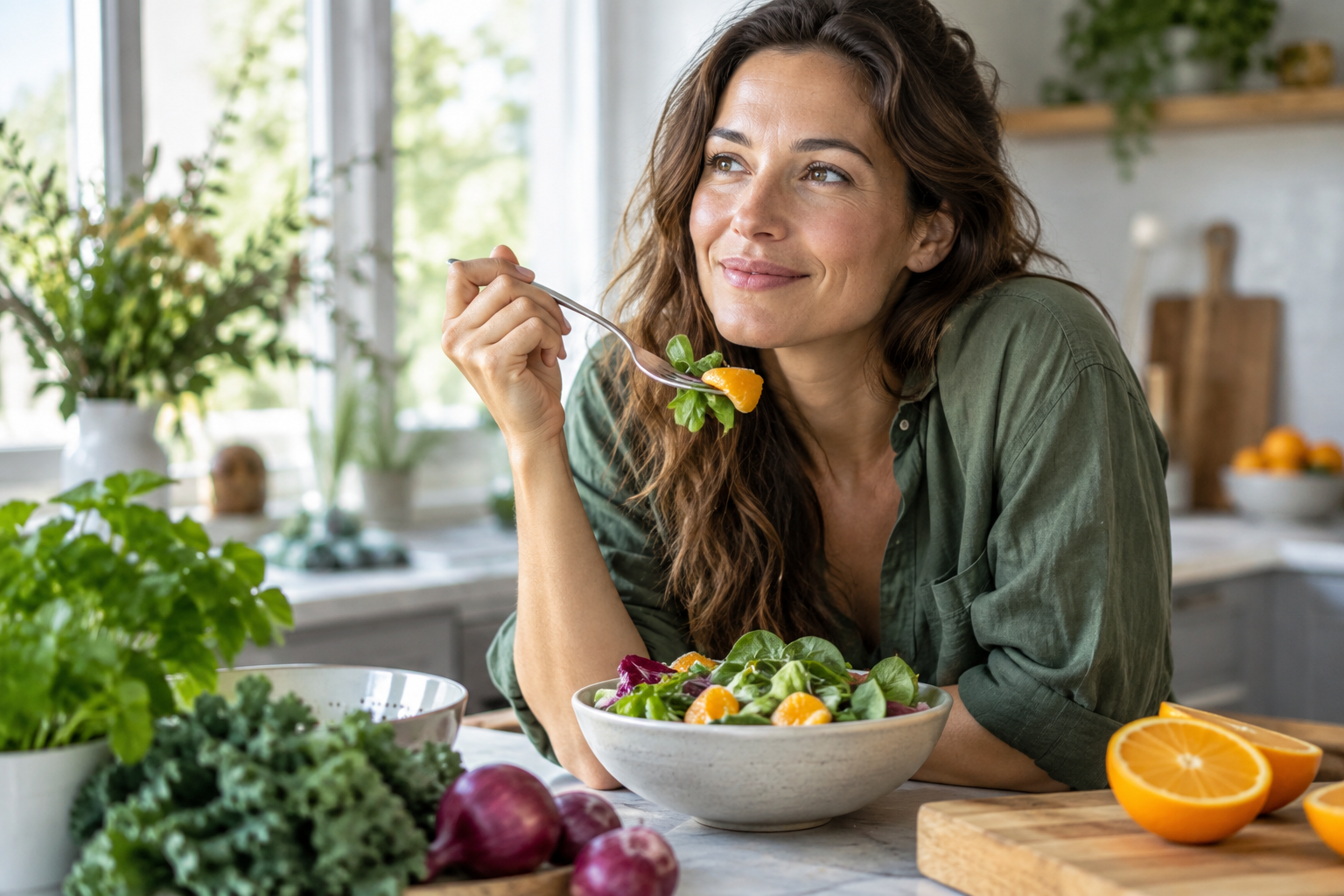
Onions, apples, capers and berries all contain quercetin, as do some leafy greens and teas. The amount varies by food, variety and preparation, so there is no need to turn meals into a calculation. Variety is the more useful everyday goal.
Try sliced apple with breakfast, red onion in a lunchtime salad or berries stirred into plain yoghurt. Capers can add a punch of flavour to dressings and roasted vegetables. These foods bring fibre and other nutrients alongside their plant compounds.
4. Choose Between Quercetin Alone and a Blend
A standalone supplement is appealing if you prefer a straightforward ingredient choice. BIOVEA QUERCETIN 250mg 50 Vegetarian Capsules is one option to compare, particularly if a vegetarian capsule format suits your preferences.
For a combination product, BIOVEA QUERCETIN with Bromelain 500mg 100 Tablets pairs quercetin with bromelain, a group of enzymes derived from pineapple. Bromelain is often included in quercetin blends, but its presence alone does not establish better absorption or greater benefits than quercetin by itself.
5. Compare Products Beyond the Front Label
Start with the amount of quercetin per serving and the number of capsules or tablets in that serving. A bottle’s tablet count is not always the same as its serving count, and a higher milligram number does not necessarily make a product a better fit.
Then consider the format you prefer, any additional ingredients and your dietary preferences. Capsules and tablets are both convenient options; the most practical choice is one whose directions and format work comfortably with your routine.
6. Keep Your Everyday Routine Simple
There is no established best time of day to take quercetin. Follow the product’s directions, and connect it with a regular daily habit to make it easier to remember. There is also no well-established timeline for feeling a benefit, and you may not notice a distinct change.
Keep colourful meals, regular movement and consistent sleep at the centre of your wellness plan, with supplements playing a supporting role. Check the label, and ask a pharmacist or healthcare professional if you have questions, especially if you take medicines.
Frequently asked questions
- Which foods contain quercetin?
- Quercetin occurs in onions, apples, capers, berries, some leafy greens and tea. Amounts vary, so eating a variety of plant foods is a practical way to include it in your diet.
- Can quercetin supplements relieve seasonal allergies?
- Quercetin has been studied for effects on pathways involved in allergic responses, but good-quality human evidence is limited. It is not an established treatment for seasonal allergy symptoms.
- Why is quercetin combined with bromelain?
- Bromelain is a group of pineapple-derived enzymes commonly paired with quercetin in supplements. The combination offers both ingredients in one product, but evidence that bromelain reliably improves quercetin absorption or results in people is limited.
- Is there a recommended daily intake for quercetin?
- There is no established recommended daily intake for quercetin like there is for essential vitamins and minerals. Supplement amounts vary, and more is not necessarily better.
Sources
Jack used these official and scientific sources for this article.
This article is educational. Food supplements are not a substitute for a varied diet or medical care. Speak to a healthcare professional about your own situation.
Related reading
Ingredient Guides
CoQ10 Ingredient Guide: How to Choose the Right Supplement Format
Discover how CoQ10 supports cellular energy and daily vitality while finding the ideal supplement format for your lifestyle. From softgels to vegetarian capsules, our guide helps you select the perfect CoQ10 option for your routine.
7 min read
Read more
Ingredient Guides
Spirulina Ingredient Guide: How to Choose the Right Format
Discover the amazing benefits of superfood spirulina and how to seamlessly add it to your daily routine. From powder to convenient capsules, learn how to select the best spirulina format for your lifestyle.
7 min read
Read more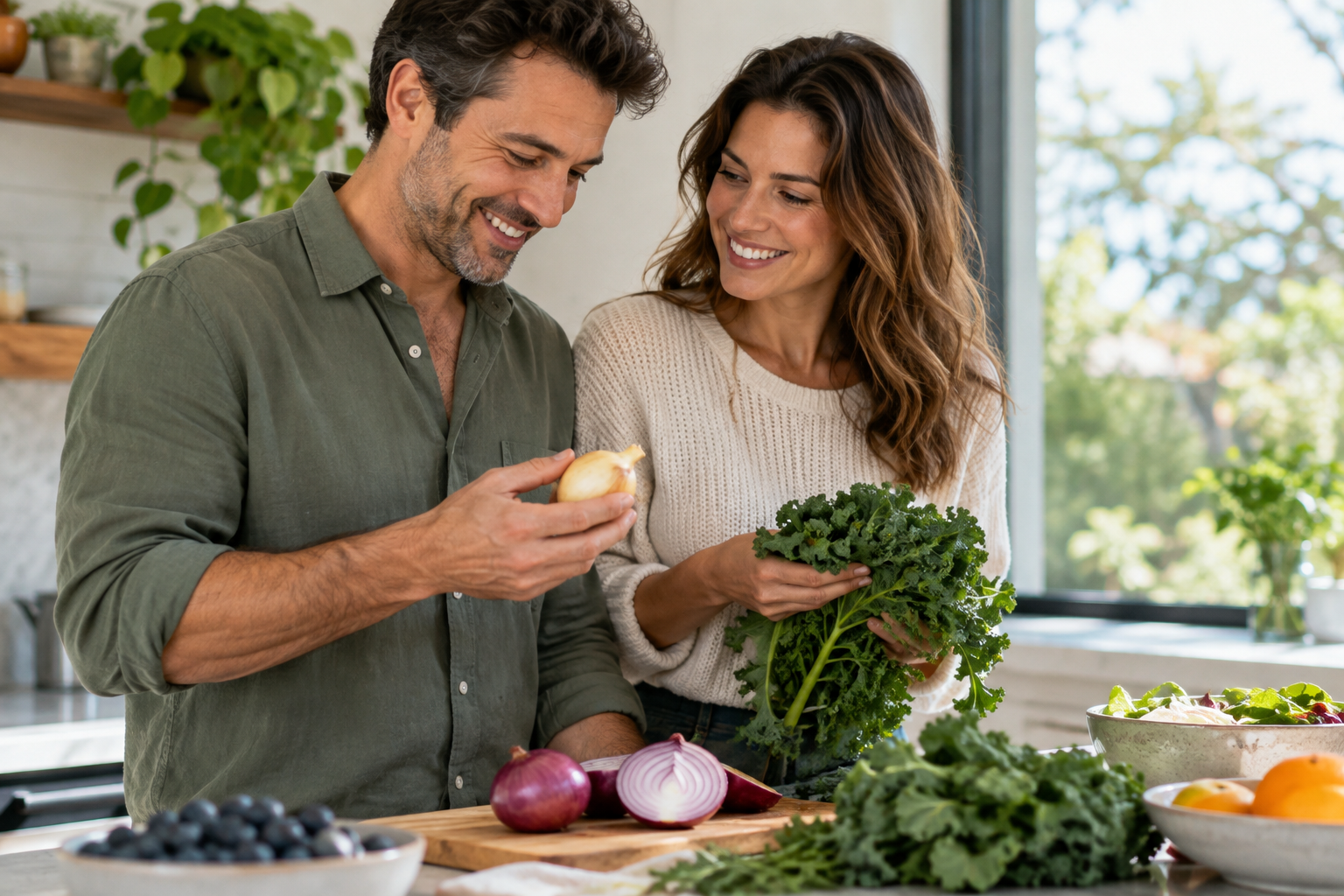
Ingredient Guides
Quercetin Ingredient Guide: How to Choose the Right Format
Discover how quercetin can support your daily wellness routine and help you feel your best every season. Learn about capsules, tablets, and synergistic blends so you can easily pick the ideal supplement for your lifestyle.
7 min read
Read moreCountry & language
1 published versions of this article.