
Food & Home
Healthy Pantry Staples: Canned, Dried and Powdered Compared
Build a pantry that makes everyday meals easier. From canned beans to cacao powder, here’s how to choose formats that suit your cooking style, budget and favourite recipes. By Jack, BIOVEA Wellness Advisor.
- Written by
 Jack· BIOVEA Wellness Advisor
- Published
- September 25, 2026
- Last reviewed
- September 27, 2026

Healthy Pantry Staples: What Should You Stock?
A useful healthy pantry starts with foods you enjoy eating: whole grains, beans, nuts, seeds and a few flavour boosters. The World Health Organization highlights whole grains, pulses, vegetables, fruit and nuts as parts of a healthy diet. Your pantry can provide the building blocks, ready to pair with fresh or frozen produce.
My approach is simple: choose one quick meal base, one versatile protein-rich staple and a couple of toppings or seasonings. Formats matter because they change preparation time, texture and storage—not because dried, canned or powdered foods are automatically better than one another.
Canned vs Dried Beans: Convenience or Batch Cooking?
Canned beans are a weekday shortcut: drain, rinse and add to salads, soups or grain bowls. Dried beans suit cooks who like making larger batches and controlling the final texture. Both can contribute fibre and plant protein; the best choice is the one you will actually use.
Choose plain canned beans when you want flexibility, with no-added-salt options useful for managing sodium. Dried beans need more planning, with soaking and cooking requirements varying by variety. Compare cost per prepared portion rather than package weight, since dried beans absorb water during cooking.
Rolled Oats vs Quick Oats vs Oat Flour
Rolled oats offer a hearty texture for porridge, overnight oats and homemade granola. Quick oats cook faster and make a softer bowl, which can be ideal on busy mornings. When both are plain and made from whole oats, faster preparation does not automatically mean a less nutritious choice.
Oat flour brings oats into pancakes, muffins and other baking recipes. It behaves differently from flakes—and from wheat flour—so use a recipe designed for it rather than assuming a direct swap. For breakfast, start with plain oats and add fruit, nuts or seeds for flavour and variety.
Cacao Powder vs Cacao Nibs: Which Should You Buy?
Choose cacao powder when you want chocolate flavour distributed through porridge, smoothies or baking. Choose cacao nibs when you want crunch and distinct, bittersweet bites. Neither format is necessarily sweetened, so expect a different experience from drinking-chocolate mixes or chocolate chips.
BIOVEA’s Organic Cacao Powder (227g) is a practical option for stirring into recipes, while Organic Cacao Nibs (454g) suit yoghurt bowls and homemade trail mix. Pick by texture and use rather than treating either as a nutritional upgrade over the other.
Whole Chia Seeds vs Ground Seeds: Texture Makes the Difference
Whole chia seeds absorb liquid and form a gel, making them handy for chia pudding or thickening overnight oats. Ground seeds blend more evenly into batters and softer mixtures. The choice is largely about the texture you want and the recipe you are making.
According to the NIH Office of Dietary Supplements, chia seeds provide alpha-linolenic acid, a plant omega-3 fat. BIOVEA’s Organic Chia Seeds (227g) offer a versatile whole-seed option: stir them into a moist breakfast mixture, allow time to hydrate and adjust the liquid to your preferred consistency.
Peanut Butter vs Peanut Powder—and How to Store Pantry Staples
Peanut butter offers a rich, spreadable texture for toast, sauces and snacks. Peanut powder is commonly made by removing some of the peanuts’ oil, giving it a different fat content and consistency; it can be stirred into porridge or mixed with water. Neither is an exact substitute for the other in every recipe, so choose according to the result you want.
Keep your pantry manageable by buying quantities you can finish, closing packages well and storing dry staples away from heat and moisture. Some foods need refrigeration after opening, and rehydrated powders are no longer dry pantry goods. Check the label for ingredients, preparation and storage guidance, or ask a professional if you have questions.
Frequently asked questions
- What are the best healthy pantry staples for beginners?
- Start with plain oats, canned or dried beans, a whole grain you enjoy, nuts or seeds, and a versatile nut butter. Add flavour boosters such as cacao powder or spices as your routine develops.
- Are canned beans as healthy as dried beans?
- Both provide fibre and plant protein and can fit a healthy eating pattern. Canned beans save preparation time, while dried beans give you more control over cooking and seasoning. Sodium and added sauces can differ between canned options.
- Can I substitute cacao nibs for cacao powder?
- Not usually as a direct swap. Powder spreads chocolate flavour throughout a mixture, while nibs stay as crunchy pieces. Use powder in a chocolate batter and nibs as a topping or mix-in.
- Are powdered foods less nutritious than whole foods?
- Not automatically. Grinding a food into powder mainly changes its form, while other processing can remove or concentrate components. Compare the ingredients, nutrition information and the amount you will actually use.
- How can I build a healthy pantry on a budget?
- Buy a small core of versatile foods and compare unit prices alongside prepared yield. Larger packages are useful only if you will finish them. Keeping both a quick option, such as canned beans, and a batch-cooking option can make home cooking easier.
Sources
Jack used these official and scientific sources for this article.
This article is educational. Food supplements are not a substitute for a varied diet or medical care. Speak to a healthcare professional about your own situation.
Related reading
Food & Home
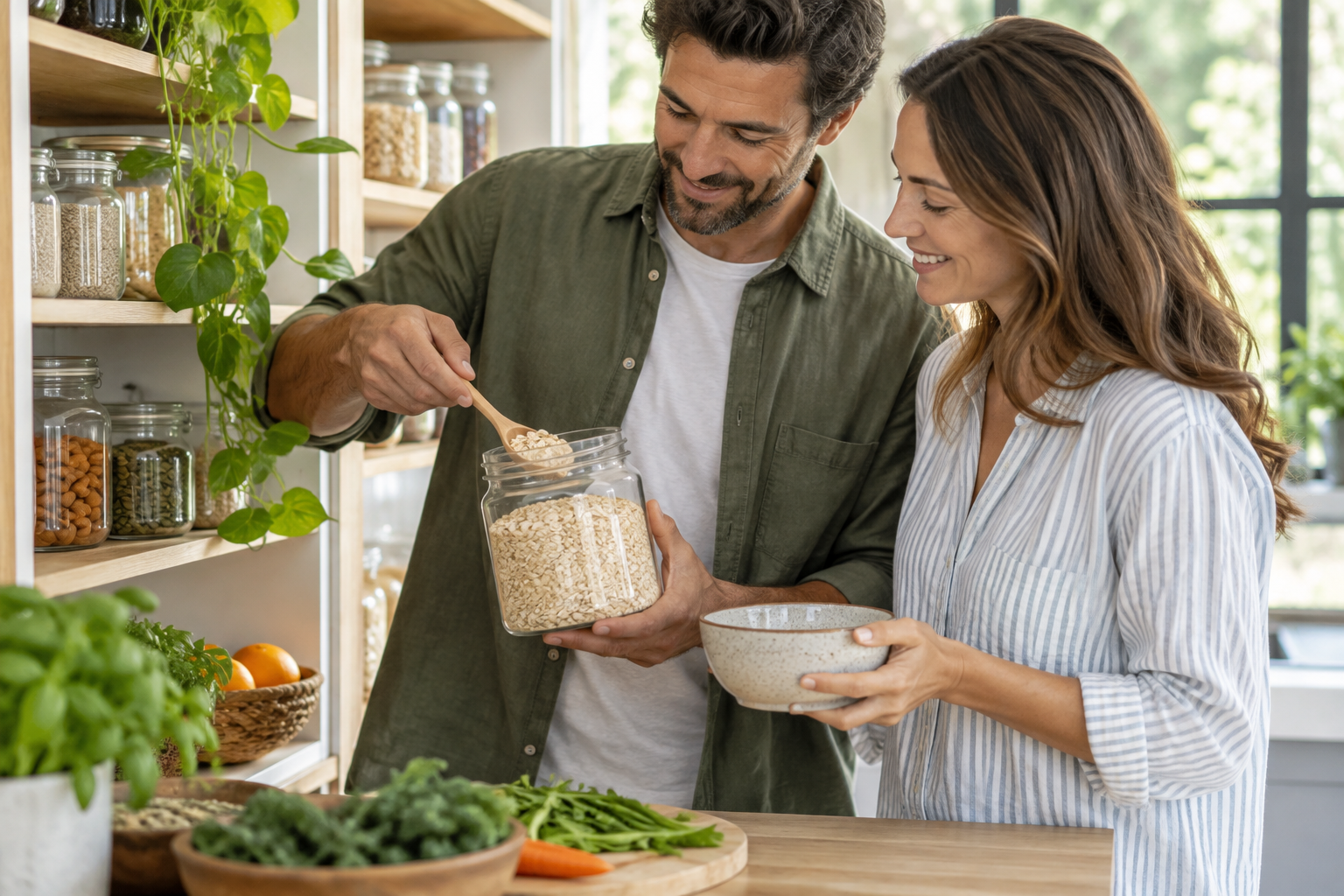
Healthy Pantry Staples: How to Choose the Right Format
Stocking your kitchen with nutrient-dense foods makes healthy eating effortless every day of the week. Learn how to choose between powders, whole seeds, and liquid pantry staples to fit your unique lifestyle.
7 min read
Read more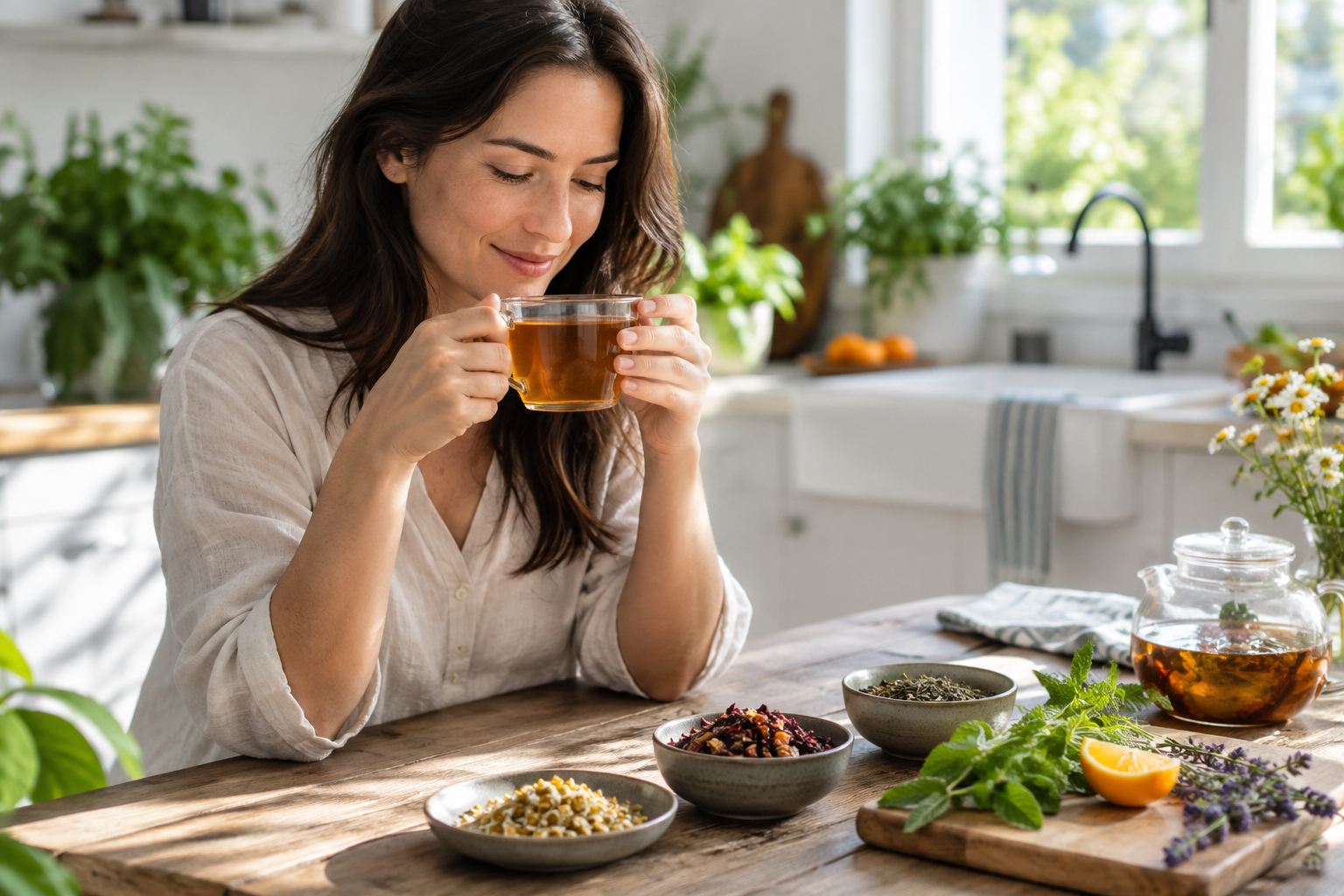
Food & Home
Herbal Tea Guide: How to Choose the Right Herbal Tea Format
Sipping a warm mug of herbal tea is one of the easiest ways to bring relaxation and vibrant natural flavors into your daily routine. Whether you prefer the convenience of traditional tea bags or robust herbal root brews, finding your ideal format can elevate your daily wellness ritual.
7 min read
Read more
Food & Home
Apple Cider Vinegar: How to Choose the Right Format for You
Discovering the daily benefits of apple cider vinegar is easier than ever thanks to a variety of versatile liquid and convenient capsule options. Here is Jack's guide to picking the ideal ACV format to seamlessly match your personal lifestyle and taste.
7 min read
Read moreCountry & language
1 published versions of this article.