
Ingredient Guides
Understanding supplement labels and serving sizes
Almost every confusing supplement comparison comes down to three lines on the pack: the serving size, the amount per serving, and the reference percentage next to it. Learn those and the shelf gets much quieter.
- Written by
 Jack· BIOVEA Wellness Advisor
- Published
- May 22, 2026
- Last reviewed
- August 18, 2026
Supplement labels are regulated documents, not adverts, which is why they are the most reliable part of any pack. They are also written in a compressed style that hides the comparison you actually want. Here is how to decode one in under a minute.
Serving size comes first
Every amount on the panel refers to one serving, and a serving is not always one capsule. If product A lists 400 mg per capsule and product B lists 400 mg per two capsules, B contains half as much per capsule — and the pack will run out twice as fast.
%NRV and %DV
In the EU and UK, labels show %NRV — Nutrient Reference Value. In the US and Canada, the Supplement Facts panel shows %DV — Daily Value. Both are single reference figures that let shoppers compare products; neither is a personal recommendation, and some nutrients have no reference value, in which case the panel simply shows the amount.
Units and conversions
Micrograms (mcg or µg), milligrams (mg) and International Units (IU) all appear, sometimes on the same pack. 1000 mcg is 1 mg. For vitamin D, 1 mcg equals 40 IU. Vitamin A and vitamin E have their own conversions, which is why their labels often show both a weight and an equivalence figure.
Ingredient order and blends
Ingredients are listed by weight, heaviest first, so a botanical named on the front of the pack but appearing last in the list is present in a small amount. A 'proprietary blend' gives a total weight for several ingredients without breaking them down — legal in some markets, but it prevents you from knowing how much of each you get.
- Serving size and servings per container.
- Amount per serving, with %NRV or %DV where one exists.
- The nutrient form, for example magnesium citrate rather than just magnesium.
- Other ingredients: capsule shell, bulking agents, sweeteners, allergens.
- Best-before date and storage instructions.
What a claim can and cannot say
Permitted wording differs between markets, and food supplements may not be presented as treating or preventing disease. If a pack or a website implies a cure, that is a warning sign about the seller rather than a feature of the product. Approved claims tend to sound modest by comparison — that is what compliance looks like.
The bottom line
Serving size, amount per serving, form, extras, date. Five lines, always in the same place, and enough to compare any two products on the shelf honestly.
Frequently asked questions
- Why do two products show such different percentages for the same amount?
- Check whether one uses %NRV and the other %DV, and confirm both amounts refer to the same serving size.
- What does 'proprietary blend' hide?
- The individual amounts of each ingredient in the blend. You see only the combined weight.
Sources
Jack used these official and scientific sources for this article.
This article is educational. Food supplements are not a substitute for a varied diet or medical care. Speak to a healthcare professional about your own situation.
Related reading
Vitamins
How to choose a multivitamin without guessing
A multivitamin is a convenience product: a spread of nutrients at modest amounts. Choosing one sensibly means matching the formula to the gaps in your own diet and life stage, then reading the panel rather than the front of the box.
7 min read
Read more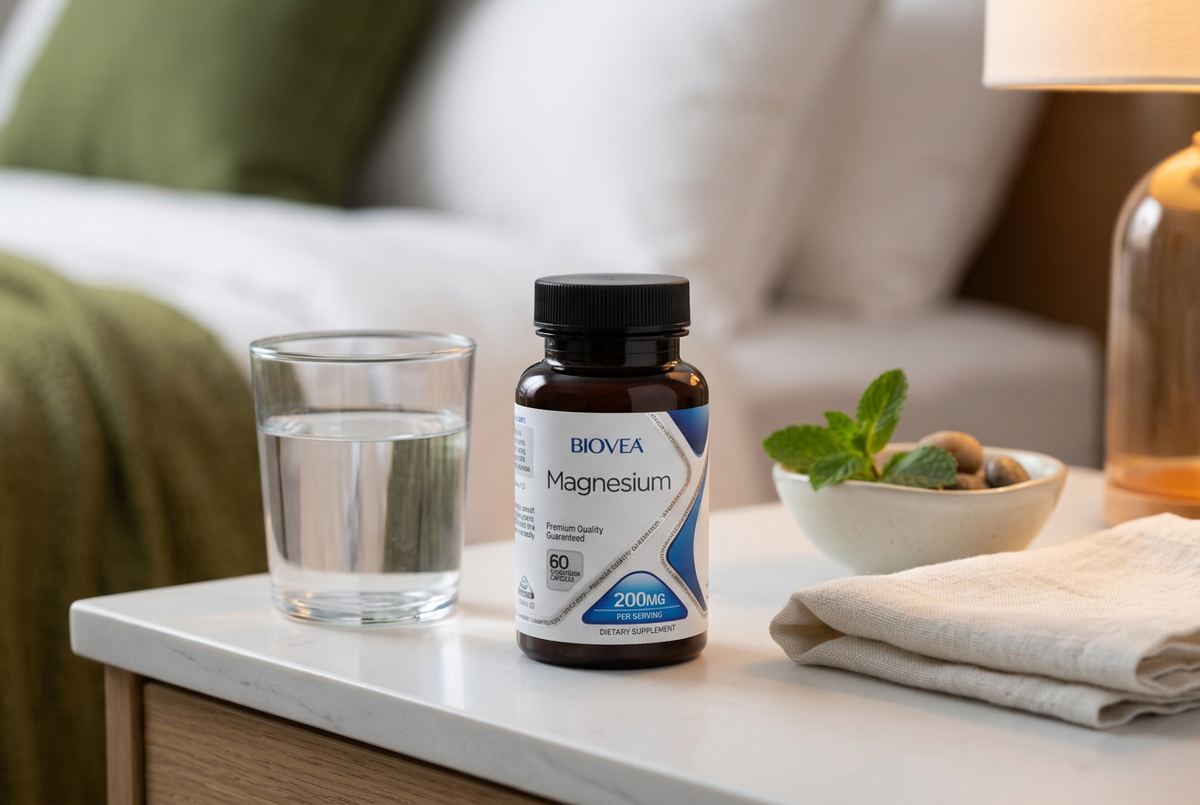
Supplements
Magnesium: the types on the shelf and how they differ
Magnesium is always paired with something else in a supplement — citrate, glycinate, oxide, malate — and that partner changes the tablet size, how it is tolerated and how much elemental magnesium you actually get per serving.
8 min read
Read more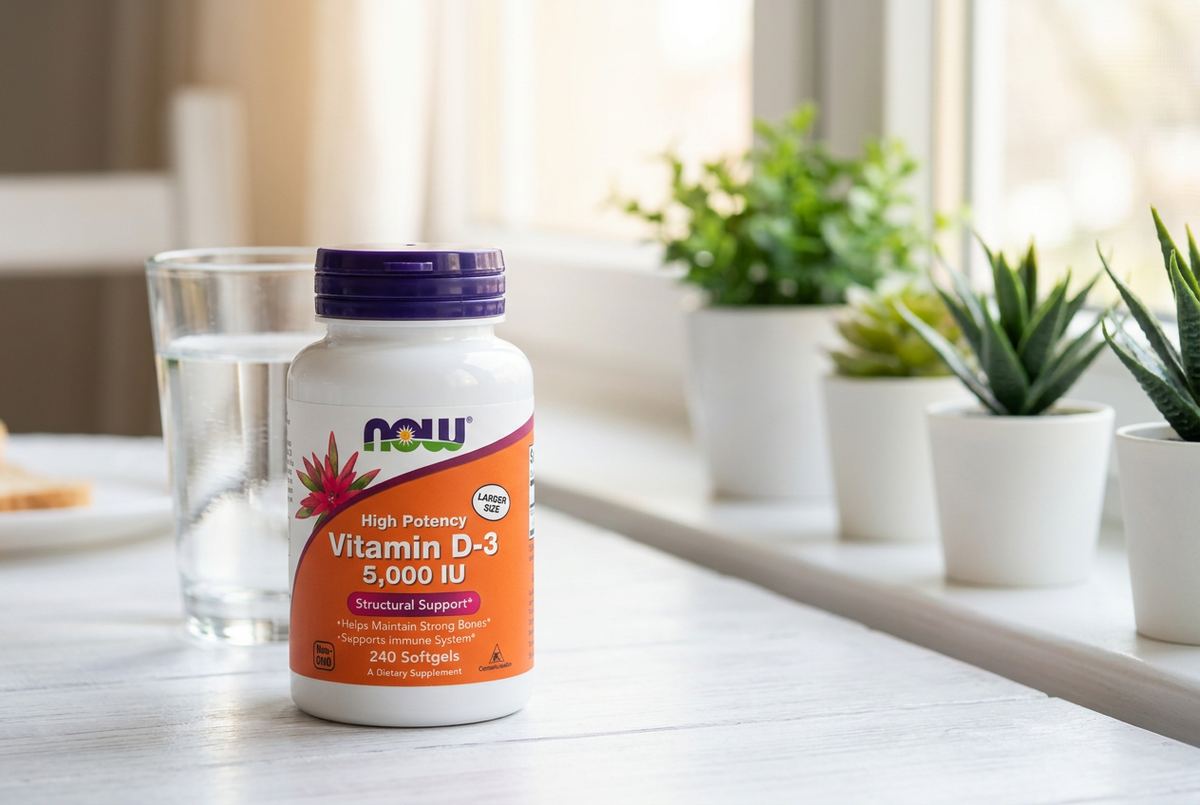
Vitamins
Vitamin D: forms, intake and the questions people actually ask
Vitamin D is made in the skin from sunlight and also comes from a short list of foods and supplements. Most labels offer either D2 or D3, measured in micrograms (mcg) or International Units (IU) — and for many people the real question is not which brand, but how much they already get.
9 min read
Read moreCountry & language
1 published versions of this article.